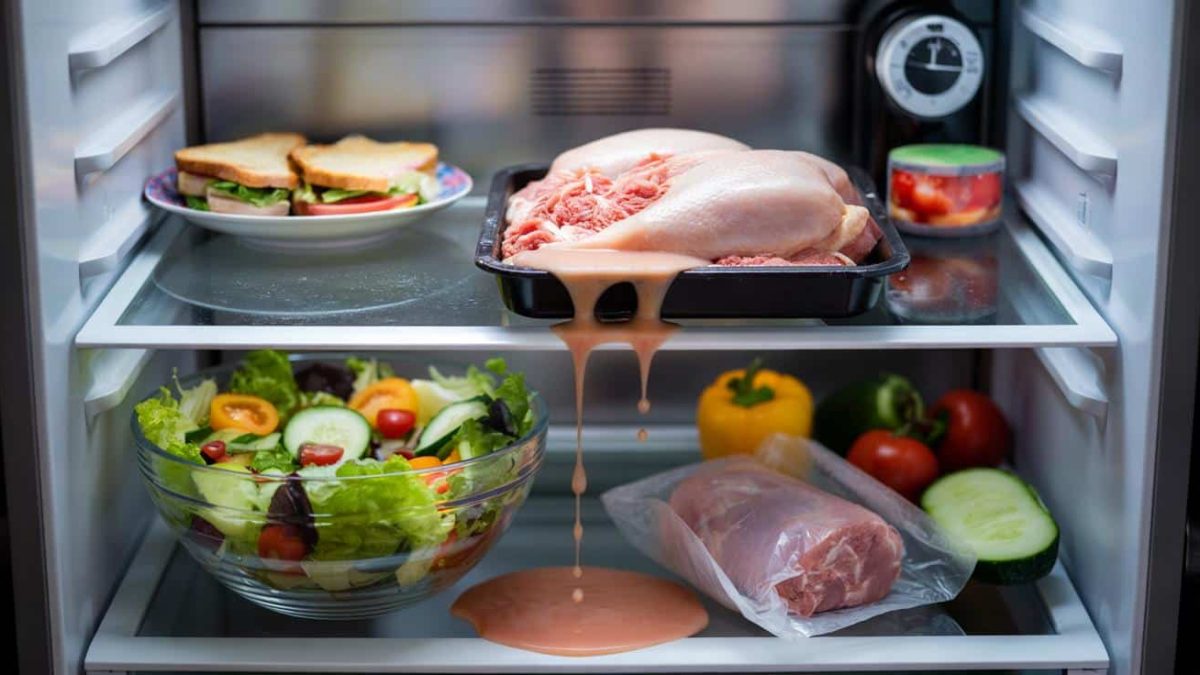
The refrigerator is often seen as a safe haven for our food, shielding it from the outside world with its cool, clean confines. However, a common storage mistake can create the perfect breeding ground for dangerous bacteria like Salmonella. Unbeknownst to many, the way we organize and store our food in the refrigerator can have serious consequences for our health.
Salmonella is a particularly insidious foodborne pathogen, responsible for causing thousands of cases of food poisoning every year. And while we may think our refrigerator is the solution, it can actually be the problem if we’re not careful. In this article, we’ll explore the hidden dangers lurking in our refrigerators and learn how to avoid the storage mistakes that can lead to Salmonella outbreaks.
The Refrigerator: Not a Hygiene Safe-Haven
Many people believe that once food is in the refrigerator, it’s automatically safe and protected from contamination. But the truth is, the refrigerator is not a sterile environment, and cross-contamination can still occur if we don’t follow proper storage protocols. In fact, improper refrigerator organization is one of the leading causes of Salmonella outbreaks in the home.
The key issue is that raw meat, poultry, and seafood can harbor Salmonella bacteria, which can then be transferred to other foods through direct contact or dripping juices. When these contaminated foods are stored above or next to ready-to-eat items like salads, fruits, and vegetables, the bacteria can easily spread, putting our health at risk.
- ➡Der geniale Hausmittel-Trick gegen Nacktschnecken: So bleiben Salate im Garten heil
- ➡Der rätselhafte Sternstrom C-19: Uralte, metall-arme Überreste einer zerstörten Zwerggalaxie
- ➡Wie Sie durch geschicktes Timing beim Wäschewaschen Strom sparen können
- ➡Hollywoods Starfriseur schwört auf neue ÖWC-Routine: Sichtbar gesünderes Haar in 4 Wochen
Even if we cook the contaminated food thoroughly, the damage may already be done through cross-contamination. That’s why it’s so important to understand the right way to store and organize our refrigerator contents.
The Most Common Storage Mistake
The most common refrigerator storage mistake is placing raw meat, poultry, or seafood above or next to ready-to-eat foods. This setup creates the perfect conditions for Salmonella to thrive and spread. The juices from the raw products can drip down, contaminating the foods below, leading to a Salmonella outbreak.
This is particularly dangerous for items like salads, fruits, and vegetables that are often consumed raw and without further cooking to kill any bacteria present. Even if the contaminated meat is cooked thoroughly, the damage has already been done through cross-contamination.
To prevent this, it’s crucial to store raw meat, poultry, and seafood on the bottom shelf of the refrigerator, where any dripping juices won’t contaminate other foods. This simple organizational change can go a long way in reducing the risk of Salmonella.
Who’s Most at Risk?
While Salmonella can affect anyone, certain groups are more vulnerable to the serious consequences of this foodborne illness. Pregnant women, young children, older adults, and those with weakened immune systems are at a higher risk of severe symptoms and complications from Salmonella infections.
For these groups, the risks posed by improper refrigerator storage can be even more severe. A Salmonella infection can lead to hospitalization, dehydration, and in rare cases, even death. That’s why it’s so important for these vulnerable populations to be extra vigilant about refrigerator organization and food safety.
By understanding the risks and taking the necessary precautions, we can all help protect ourselves and our loved ones from the dangers of Salmonella in the refrigerator.
3 Simple Rules for a Safer Refrigerator
Maintaining a safe and organized refrigerator is simpler than it might seem. By following these three simple rules, you can significantly reduce the risk of Salmonella and other foodborne illnesses:
- ➡Neue In-vivo-Methode bringt CAR-T-Krebstherapie voran
- ➡Weiße oder braune Eier: Was steckt wirklich hinter der Schalenfarbe?
- ➡Zwischen Land und Großstadt: Warum Landbewohner in der Stadt innerlich zerrissen sind
- ➡Wie Sie Ihre Wohnung auch ohne Heizung warm halten können – Tipps und Tricks für die kalte Jahreszeit
| Rule | Explanation |
|---|---|
| Store raw meats on the bottom shelf | This prevents the juices from dripping down and contaminating other foods. |
| Keep ready-to-eat items on the top shelves | This ensures they won’t come into contact with any potential contaminants. |
| Clean and wipe down the refrigerator regularly | This helps remove any lingering bacteria and prevent the buildup of cross-contamination. |
By following these simple rules, you can create a much safer and more hygienic environment for your food, dramatically reducing the risk of Salmonella and other foodborne illnesses.
What Exactly Is Cross-Contamination?
Cross-contamination is the transfer of harmful bacteria, such as Salmonella, from one surface or food item to another. In the context of the refrigerator, this typically occurs when the juices or residue from raw meat, poultry, or seafood come into contact with other foods, especially those that are ready-to-eat and won’t be cooked further.
This transfer of bacteria can happen through direct contact, shared utensils, or even just the air circulation within the refrigerator. Even if the raw meat is cooked thoroughly later on, the damage has already been done, and the other foods can still become contaminated.
- ➡50 Jahre abgelaufener Lachs: Was Forscher in der Dose fanden, lässt Meeresbiologen staunen
- ➡Dieses kleine Zusatzgerät halbiert vielen Fahrern die Spritkosten
- ➡Dieser asiatische Obstbaum bringt knackige Birnen in jeden Garten
- ➡Krokodile kapern Boote in Florida: Wie die Rückkehr der Reptilien zu Konflikten führt
Understanding the concept of cross-contamination is crucial for preventing Salmonella outbreaks in the home. By keeping raw and cooked foods separate and following proper storage and cleaning protocols, we can effectively break the chain of contamination and keep our families safe.
Cooking Isn’t a Cure-All
Many people assume that as long as they cook their food thoroughly, they’re safe from Salmonella and other foodborne illnesses. While proper cooking is indeed an important step in killing harmful bacteria, it’s not a foolproof solution when it comes to Salmonella in the refrigerator.
If cross-contamination has already occurred, the Salmonella bacteria can still be present on surfaces, utensils, and even other foods in the refrigerator. Even if the contaminated meat is cooked to a safe temperature, the damage has already been done, and the bacteria can still be transmitted to other items.
That’s why it’s so crucial to focus on prevention through proper refrigerator organization and hygiene. By stopping the spread of Salmonella before it can even begin, we can keep our families safe and healthy, even if we do occasionally make a cooking mistake.
Real-Life Examples of Refrigerator Mistakes
To illustrate the dangers of improper refrigerator storage, let’s look at a few real-life examples:
| Scenario | Explanation |
|---|---|
| Raw chicken stored above salad greens | The chicken juices can drip down and contaminate the salad, leading to a Salmonella outbreak. |
| Leftover cooked meat placed next to fresh fruits | Even though the meat was cooked, cross-contamination can still occur, putting the fruits at risk. |
| Unwashed refrigerator shelves | Any lingering bacteria or residue can transfer to the next food item placed on that shelf. |
These seemingly minor mistakes can have serious consequences, especially for vulnerable populations. By being mindful of our refrigerator organization and following best practices, we can prevent these dangerous situations and keep our families safe.
Changing Habits for Long-Term Food Safety
Shifting our refrigerator habits and routines can be challenging, but it’s a crucial step in preventing Salmonella outbreaks and other foodborne illnesses. The key is to make small, sustainable changes that become second nature over time.
- ➡Rentner im Pflegeheim muss Leasingzahlungen leisten: So schützen Sie Ihre Familie vor versteckten Kosten
- ➡Wenn das Tier gehen muss: Diese Worte trösten – und einen Satz bereuen viele
- ➡Generation Z Forgets Handwriting: Researchers Sound the Alarm on Communication Crisis
- ➡Project Helix: Microsoft zeigt erstmals Bilder der neuen Xbox-Generation
Start by focusing on the three simple rules we discussed earlier: storing raw meats on the bottom, keeping ready-to-eat items on the top shelves, and regularly cleaning the refrigerator. Gradually incorporate these habits into your daily routine, and soon they’ll become automatic.
It’s also helpful to set reminders or visual cues to reinforce the new behaviors. For example, you could place a sticky note on the refrigerator door as a reminder to check the shelf organization before putting away groceries. With a little effort and consistency, these healthy habits will become an integral part of your food storage routine.
FAQs: Staying Safe in the Refrigerator
How long can raw meat be stored in the refrigerator before it becomes a Salmonella risk?
Raw meat, poultry, and seafood should be used or frozen within 1-2 days of purchase. Storing them for longer increases the risk of Salmonella growth and cross-contamination.
Can I prevent Salmonella by simply cooking the contaminated food thoroughly?
No, cooking alone is not enough to prevent Salmonella if cross-contamination has already occurred. The bacteria can still be present on other surfaces and items in the refrigerator.
- ➡Die verborgene Gefahr des weggeworfenen Weihnachtssterns: Der große Fehler im Frühling
- ➡Butter or Oil in the Pan? Star Chef Reveals Trick for Perfect Fried Eggs
- ➡Wie KI den Dschungel der radiologischen Befunde für Patienten verständlich macht
- ➡Korean Beauty Hype: Tinted Anti-Aging Cream for Sensitive Skin Costs Only €7
What’s the best way to clean a refrigerator to prevent Salmonella?
Regularly wipe down all shelves, drawers, and surfaces with a mixture of warm water and mild detergent. Pay special attention to areas where raw meat may have been stored.
Is it safe to store cooked leftovers above raw meat in the refrigerator?
No, it’s not recommended. The juices from the raw meat could still drip down and contaminate the cooked food, even if it’s stored in a sealed container.
How can I tell if a food item has been cross-contaminated with Salmonella?
There’s no way to visually detect Salmonella contamination. The only way to know for sure is to have the food tested by a lab.
What are the common symptoms of a Salmonella infection?
Symptoms typically include diarrhea, fever, and abdominal cramps, and usually appear within 12-72 hours after exposure.
When should I seek medical attention for a suspected Salmonella infection?
Seek medical care if you experience severe symptoms, such as high fever, bloody diarrhea, or signs of dehydration. Vulnerable populations should always consult a doctor.
How can I properly store leftovers to prevent Salmonella?
Place leftovers in shallow containers, cover, and refrigerate at 40°F or below. Use within 3-4 days for maximum safety.