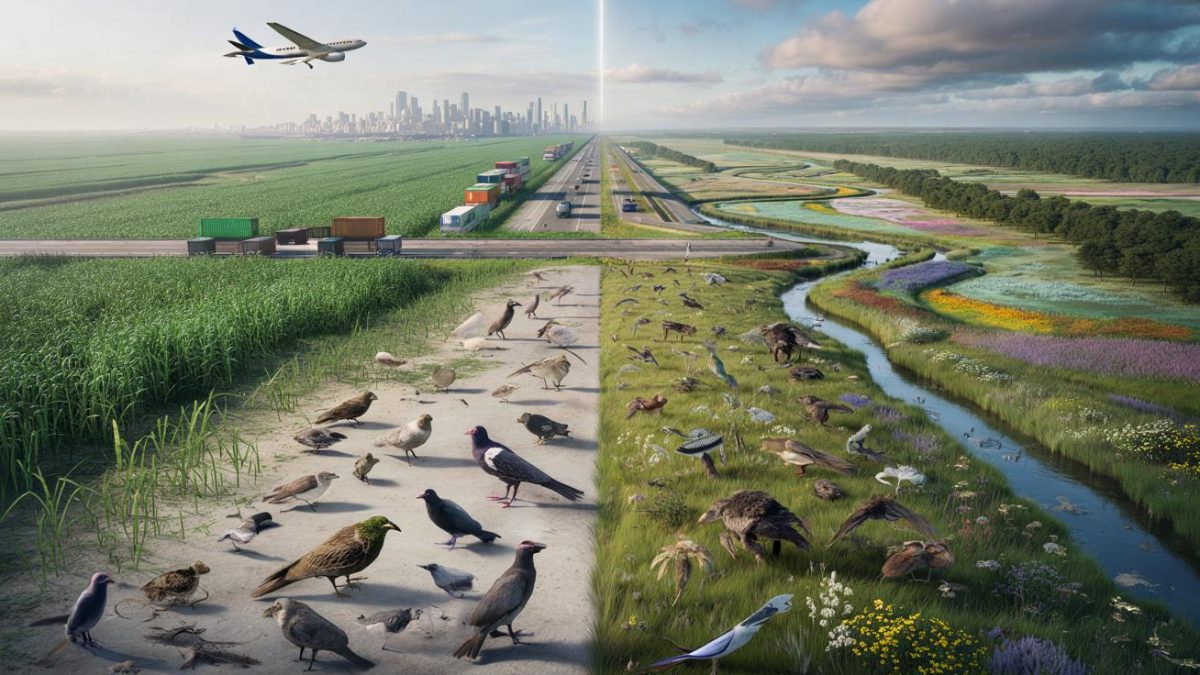
In many cities, parks, riverbanks, and fields look remarkably similar – and this is not just due to concrete and asphalt. A new ecological phenomenon known as the “Homogenocene” is quietly transforming natural landscapes, with far-reaching consequences for biodiversity. As unique species are replaced by ever-identical flora and fauna, the variety of life is dwindling in a process that is subtle yet profoundly impactful.
The Homogenocene describes the global trend towards the homogenization of ecosystems, driven by human activities that standardize and simplify natural environments. From urban planning to industrial agriculture, our interventions are creating a world that is increasingly alike, with cascading effects on the richness and resilience of nature. Understanding this phenomenon is crucial to reversing the alarming loss of species and habitats – and restoring the vibrant, diverse landscapes that once thrived.
Uniform Parks and Monoculture Farms: The Rise of the Homogenocene
The Homogenocene is not just an abstract concept – its effects are visible all around us, from manicured city parks to vast agricultural fields. In many urban areas, local authorities have replaced diverse native vegetation with a limited palette of ornamental plants, creating a monotonous green backdrop that lacks the complexity of natural ecosystems. Similarly, modern farming practices have led to the dominance of a few high-yielding crop varieties, displacing traditional polycultures and heirloom species.
This trend towards homogeneity is driven by a range of factors, including the desire for efficient management, the demands of industrial production, and the aesthetic preferences of urban planners. But the consequences are severe: as unique habitats are replaced by standardized environments, the web of life unravels, and vulnerable species struggle to survive.
Experts warn that the Homogenocene is a silent but widespread phenomenon, with profound implications for the long-term health of our planet. “We’re witnessing the gradual impoverishment of nature, as diverse and resilient ecosystems are reduced to simplified, fragile monocultures,” explains Dr. Julia Müller, a conservation biologist. “This loss of biodiversity has cascading effects on the services that nature provides, from pollination to flood control.”
The Homogenocene in Action: Transforming Landscapes and Ecosystems
The impact of the Homogenocene is visible in many of our everyday landscapes. In urban settings, ornamental trees and shrubs have replaced native species, while manicured lawns have pushed out wildflowers and grasses. Even our waterways are affected, as river banks are lined with uniform vegetation or hardened with concrete.
The effects extend far beyond cities, however. In agricultural regions, monoculture crops have displaced diverse traditional farming systems, reducing both plant and animal diversity. And in forests, the removal of deadwood and the planting of single-species plantations have simplified once-vibrant ecosystems.
These changes may seem subtle, but their cumulative impact is staggering. As unique habitats give way to monotonous environments, entire species are struggling to survive. “We’re not just talking about the loss of rare or endangered plants and animals,” warns Dr. Müller. “Even common species are becoming scarce, as their specialized niches disappear.”
The Hidden Cost of the Homogenocene: Biodiversity Loss and Ecosystem Decline
| Indicator | Global Change Since 1970 |
|---|---|
| Vertebrate Population Index | 69% decline |
| Insect Biomass | Estimated 25-50% decline |
| Threatened Species | Over 1 million species at risk of extinction |
The Homogenocene is a major driver of the global biodiversity crisis, contributing to the alarming decline of species across the planet. As unique habitats are replaced by simplified environments, the web of life unravels, with cascading effects on ecosystem function and resilience.
Insects, for example, are particularly vulnerable to the Homogenocene, as they depend on a diverse array of native plants for food and shelter. The dramatic decline in insect biomass, estimated at 25-50% over the past decades, threatens the pollination and pest control services that are essential for human food production and the health of natural ecosystems.
Beyond insects, the Homogenocene is contributing to the risk of extinction for over 1 million species worldwide. “We’re not just seeing the loss of rare or endangered species,” explains Dr. Müller. “Even common, widespread species are becoming scarce as their specialized niches disappear.”
Restoring Biodiversity: Strategies to Counter the Homogenocene
“The Homogenocene is a silent crisis, but one that demands our urgent attention. By restoring the diversity of our landscapes, we can revive the resilience and richness of nature – and secure a healthier future for all.”
– Dr. Julia Müller, Conservation Biologist
Overcoming the Homogenocene will require a multi-pronged approach, involving changes in urban planning, agricultural practices, and forest management. Experts emphasize the importance of prioritizing native species, promoting polycultures, and preserving natural habitats.
In cities, this might mean replacing ornamental plants with indigenous vegetation, creating wildlife corridors, and allowing for more natural, “messy” landscapes. In agriculture, it could involve transitioning to agroecological methods that support diverse crop varieties and integrate natural elements. And in forests, it might mean protecting old-growth stands and managing for a greater mix of tree species.
- ➡Zwei Sternzeichen werden im März mit alten Problemen konfrontiert
- ➡Neue Super-Solarzellen und Fusion-Durchbruch: Warum 2026 zum Energie-Wendepunkt wird
- ➡Verwöhnte Kinder oder starke Gemeinschaft? Was wir von der Erziehung unserer Großeltern neu lernen sollten
- ➡TV-Star setzt auf Trend: Diese weißen Nike-Sneaker will jetzt jeder
By restoring the diversity of our landscapes, we can revive the resilience and richness of nature – and secure a healthier future for all. As Dr. Müller concludes, “The Homogenocene is a silent crisis, but one that demands our urgent attention. We must act now to preserve the irreplaceable wonder of the natural world.”
The Homogenocene in Our Everyday Lives
The effects of the Homogenocene are not just felt in distant landscapes – they’re visible in our everyday surroundings. From the ubiquitous lawns and ornamental shrubs in our neighborhoods to the vast monoculture fields that supply our food, the signs of homogenization are all around us.
Even our recreational spaces, like parks and hiking trails, have often been simplified and standardized, robbing them of the diverse, dynamic character of natural ecosystems. And as our waterways are lined with uniform vegetation or hardened with concrete, the once-vibrant life of rivers and streams is diminished.
These changes may seem minor, but their cumulative impact is profound. By recognizing the Homogenocene in our daily lives, we can begin to appreciate the importance of restoring diversity and embracing the richness of the natural world.
- ➡7 Sätze, an denen man hohe emotionale Intelligenz sofort erkennt
- ➡Staying on Top of Heating Costs: The Two Crucial Times of Day to Save Big
- ➡Generation Z Forgets Handwriting: Researchers Sound the Alarm on Communication Crisis
- ➡Pflanzen Sie bis Anfang März: Dieser Glücksstrauch bringt frischen Schwung in Ihren Garten und auf Ihren Balkon
Safeguarding the Future: The Importance of Biodiversity
“Biodiversity is the foundation of a healthy, resilient planet. By protecting the diversity of life, we’re safeguarding the very systems that sustain us – from food production to climate regulation.”
– Dr. Sarah Leuenberger, Ecologist
The loss of biodiversity associated with the Homogenocene poses grave risks for the future of our planet. Diverse ecosystems are not only intrinsically valuable, but they also provide essential services that support human well-being, from regulating the climate to purifying our water.
As unique habitats are replaced by simplified environments, the web of life unravels, compromising the resilience of natural systems. This leaves us vulnerable to the impacts of climate change, disease outbreaks, and other environmental challenges.
- ➡Kleiner Riff-Fisch besteht Selbstbewusstseinstest für Menschenaffen – Forscher zeigen sich begeistert
- ➡Studien zeigen: In diesen Räumen arbeitet dein Gehirn plötzlich besser
- ➡Diese zwei Sternzeichen haben Mühe mit Kritik – und riskieren Ende März eine Explosion
- ➡Was Ihre Google-Suchen wirklich über Ihre Intelligenz verraten
Safeguarding biodiversity is therefore crucial for ensuring a sustainable future. By restoring the diversity of our landscapes, we can revive the richness and resilience of nature – and secure a healthier, more vibrant world for generations to come.
FAQs: Understanding and Addressing the Homogenocene
What is the Homogenocene?
The Homogenocene is a term that describes the global trend towards the homogenization of ecosystems, driven by human activities that standardize and simplify natural environments.
What are the consequences of the Homogenocene?
The Homogenocene is a major driver of the global biodiversity crisis, contributing to the alarming decline of species across the planet. As unique habitats are replaced by simplified environments, the web of life unravels, compromising ecosystem function and resilience.
How can we counter the Homogenocene?
Overcoming the Homogenocene will require a multi-pronged approach, involving changes in urban planning, agricultural practices, and forest management. Experts emphasize the importance of prioritizing native species, promoting polycultures, and preserving natural habitats.
- ➡Schlagfertige Antworten in Gesprächen: 4 Techniken, die sofort wirken
- ➡Diese 5 Lebensmittel blockieren Ihren Darm am längsten – Nummer 3 gilt als gesund
- ➡Russland entwickelt Plasma-Antrieb, der Raumschiffe mit 360.000 km/h antreiben soll
- ➡Die Einsamkeit der Wahrheit über gutes Elternsein: Warum du manchmal hart sein musst
Why is biodiversity important?
Diverse ecosystems are not only intrinsically valuable, but they also provide essential services that support human well-being, from regulating the climate to purifying our water. Safeguarding biodiversity is crucial for ensuring a sustainable future.
How can I help restore biodiversity in my local area?
You can help counter the Homogenocene by supporting initiatives that promote native plant species, creating wildlife-friendly gardens, and advocating for more natural, diverse landscapes in your community.
What is the role of urban planning in addressing the Homogenocene?
Urban planners play a key role in countering the Homogenocene by prioritizing native vegetation, creating wildlife corridors, and allowing for more natural, diverse landscapes in cities and towns.
How can farmers contribute to biodiversity conservation?
Farmers can help address the Homogenocene by transitioning to agroecological methods that support diverse crop varieties, integrate natural elements, and promote ecosystem health.
- ➡Nie mehr Kampf mit der Bettdecke: Wie die Burrito-Methode das Bett beziehen einfach macht
- ➡Wie Sie Ihre Einkaufskosten halbieren können: Die überraschend simple IMC-Methode
- ➡More Relaxed at 50: 4 Unassuming Daily Habits that Clear the Mind
- ➡Frühling lässt Katzen streitsüchtiger werden: Warum jetzt so viele Revierkämpfe stattfinden
What is the impact of the Homogenocene on insect populations?
Insects are particularly vulnerable to the Homogenocene, as they depend on a diverse array of native plants for food and shelter. The dramatic decline in insect biomass, estimated at 25-50% over the past decades, threatens the pollination and pest control services that are essential for human food production and the health of natural ecosystems.