For years, the red-shooting photinia has been a star in front gardens. Fast-growing, colorful, evergreen – the perfect privacy screen. But now, this once-popular plant is facing increasing problems. Gardeners are turning their backs on the photinia and looking for new, more sustainable options to spruce up their hedges.
What’s behind this sudden change? And which plants are set to replace the photinia as the dominant hedge choice in the coming years? Let’s take a closer look at the trends shaping the world of gardening.
The Decline of the Photinia
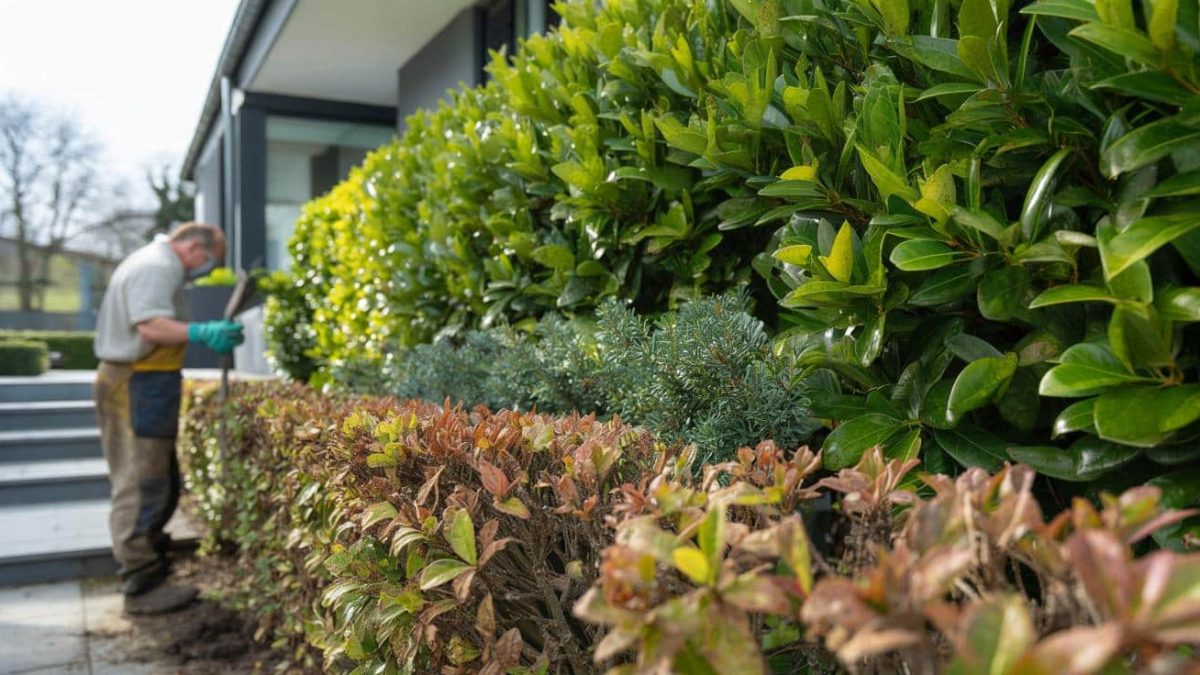
For a long time, the photinia was considered the perfect hedge plant. Its vibrant red new growth in spring and evergreen foliage made it a popular choice for homeowners looking to add some year-round color and structure to their gardens. However, this once-beloved shrub is now falling out of favor.
One of the main issues with the photinia is its susceptibility to a fungal disease called Entomosporium leaf spot. This can cause the leaves to turn brown and fall off, leaving unsightly gaps in the hedge. Additionally, photinias can be challenging to maintain, requiring regular pruning to keep them looking their best.
As environmental awareness and a desire for more natural, low-maintenance gardens have grown, many gardeners are now moving away from the high-maintenance photinia in favor of more sustainable and diverse planting options.
The Rise of the Pittosporum
One of the plants that is increasingly replacing the photinia in modern hedges is the pittosporum. This evergreen shrub has a more subtle, natural appearance, but it offers several benefits that are appealing to today’s gardeners.
Pittosporums are generally more disease-resistant than photinias and require less frequent pruning to maintain their shape. They also come in a range of foliage colors, from deep greens to variegated varieties, allowing gardeners to create more visually interesting hedges.
Additionally, pittosporums are often better suited to a wider range of soil types and growing conditions, making them a more adaptable choice for different garden environments.
| Photinia | Pittosporum |
|---|---|
| Vibrant red new growth, evergreen | Subtle, natural appearance, evergreen |
| Susceptible to fungal diseases | More disease-resistant |
| Requires frequent pruning | Less maintenance required |
| Limited foliage color options | Variety of foliage colors available |
The Trend Towards Hedge Diversity
As gardeners move away from the photinia, another trend is emerging: the desire for more diverse and mixed hedge plantings. Rather than relying on a single, dominant species, many homeowners are now opting for a blend of different shrubs and plants to create their hedges.
This approach not only adds visual interest to the garden but also helps to create a more resilient and ecologically-friendly environment. By planting a mix of species, gardeners can reduce the risk of disease outbreaks and provide a more diverse habitat for local wildlife.
Furthermore, a mixed hedge can be tailored to the specific needs and aesthetic preferences of the garden, allowing homeowners to create a truly unique and personalized landscape.
- ➡5 besorgniserregende Verhaltensweisen, die auf den Mangel an engen Freundschaften hinweisen
- ➡Weiße oder braune Eier: Was steckt wirklich hinter der Schalenfarbe?
- ➡Gärtner sollten jetzt vier Zwiebeln setzen – sonst bleibt der Garten wochenlang kahl
- ➡MacBook Air M4 Sees a Steep Price Drop: A Powerful Apple Laptop Cheaper Than Ever
Choosing the Right Hedge for Your Garden
With the decline of the photinia and the rise of alternative hedge plants, gardeners are faced with a wider range of choices when it comes to selecting the right hedge for their property. When planning a new hedge or replacing an existing one, it’s important to consider factors such as the size of the garden, the amount of available space, and the desired level of maintenance.
For smaller gardens, a more compact and lower-maintenance hedge, such as the pittosporum, may be the best option. Larger spaces, on the other hand, can accommodate a more diverse and visually striking hedge planting. Consulting with a local nursery or gardening expert can also help homeowners make an informed decision about the most suitable hedge for their unique garden.
Ultimately, the shift away from the photinia is part of a broader trend towards more sustainable, low-maintenance, and ecologically-conscious gardening practices. As gardeners embrace a greater diversity of hedge plants, the face of suburban landscapes is set to undergo a significant transformation in the coming years.
| Garden Size | Recommended Hedge Plants |
|---|---|
| Small Gardens | Pittosporum, Buxus, Taxus |
| Medium-Sized Gardens | Photinia, Ligustrum, Viburnum |
| Large Gardens | Mixed Hedges (e.g., Pittosporum, Eleagnus, Prunus) |
“The decline of the photinia is a clear sign that gardeners are becoming more mindful of the environmental impact of their planting choices. The rise of diverse, low-maintenance hedge options reflects a growing trend towards sustainable, nature-friendly gardening.”
– Emma Wilkinson, Landscape Designer
“Homeowners are now more conscious about the long-term care and resilience of their hedges. The photinia’s vulnerability to disease and high-maintenance requirements have led many to seek out alternative plants that are better suited to their needs and the local environment.”
– Michael Bauer, Horticulture Specialist
“As we become more aware of the importance of biodiversity in our gardens, the shift away from monoculture hedges like the photinia is a welcome development. Mixed hedge plantings not only look more visually appealing but also provide a richer habitat for local wildlife.”
– Dr. Sarah Greenwood, Ecologist
Transitioning from Photinia to Pittosporum
For gardeners who have relied on the photinia for years, the transition to a new hedge plant can seem daunting. However, the process of replacing an existing photinia hedge with a pittosporum or mixed planting can be relatively straightforward with the right approach.
The first step is to carefully remove the photinia plants, ensuring that all roots are taken out to prevent regrowth. It’s important to dispose of the plant material properly, as photinias can be prone to disease and shouldn’t be composted.
Once the area is cleared, the new hedge plants can be introduced. Pittosporums are a great choice for a direct replacement, as they have a similar growth habit and can be planted in a similar manner. For a more diverse hedge, a mix of shrubs like pittosporum, eleagnus, and viburnum can be combined to create a visually interesting and ecologically-beneficial planting.
| Step | Action |
|---|---|
| 1. Removal | Carefully remove existing photinia plants, ensuring all roots are taken out. |
| 2. Disposal | Properly dispose of photinia plant material, as it can harbor diseases. |
| 3. Replacement | Plant new hedge plants, such as pittosporum or a mixed hedge planting. |
| 4. Maintenance | Establish a regular maintenance routine for the new hedge, including pruning and watering. |
“The transition from photinia to a more sustainable hedge option can seem daunting, but it’s a worthwhile investment in the long-term health and beauty of your garden. With the right planning and care, you can create a stunning, low-maintenance hedge that will enhance your outdoor space for years to come.”
– Gina Hoffmann, Gardening Columnist
- ➡Wenn Einsamkeit nicht mehr schmerzt: Das beunruhigende Signal der emotionalen Taubheit
- ➡Haarfarben 2025: Diese 6 Trend-Töne machen deinen Look sofort moderner
- ➡Diese einfache Mittagspausen-Gewohnheit macht dich fitter und fokussierter
- ➡Forscher identifizieren 45 Exoplaneten mit echten Chancen auf Leben
The Future of Hedges: Less Stress, More Gardening Enjoyment
As the photinia continues to fall out of favor, the future of hedges in Germany is set to be defined by a greater emphasis on sustainability, diversity, and low-maintenance gardening. Homeowners are increasingly seeking out plants that not only look good but also require less time and effort to maintain.
The rise of the pittosporum and the growing trend towards mixed hedge plantings are just the beginning of this shift. As gardeners become more environmentally conscious and focused on creating beautiful, resilient outdoor spaces, we can expect to see even more innovative and nature-friendly hedge solutions emerge in the coming years.
Ultimately, this transition away from the photinia represents a broader change in the way we approach gardening. Rather than chasing the latest trends or high-maintenance plants, more and more people are seeking a calmer, more sustainable approach that allows them to truly enjoy their outdoor spaces without the constant stress of upkeep.
Frequently Asked Questions
Why are gardeners turning away from the photinia?
Gardeners are turning away from the photinia due to its susceptibility to fungal diseases, such as Entomosporium leaf spot, and its high-maintenance requirements, including frequent pruning. As environmental awareness and a desire for low-maintenance gardens have grown, many gardeners are seeking out more sustainable and disease-resistant alternatives.
- ➡Diese Dauerblüher-Pflanze färbt deinen Garten das ganze Jahr
- ➡Der Comeback der 90er-Locken: Wie das Power-Brushing glatte Mähnen 2026 ablöst
- ➡Ärzte warnen: Neuer TikTok-Trend zum Schlafen kann Ihre Gesundheit gefährden
- ➡Dieser orangefarbene Blütenzauber verwandelt jeden Minigarten in ein Blickfang-Beet
What is replacing the photinia in modern hedges?
The pittosporum is increasingly replacing the photinia as a popular hedge plant. Pittosporums are more disease-resistant, require less frequent pruning, and come in a variety of foliage colors, making them a more adaptable and visually interesting choice for gardeners. Additionally, there is a growing trend towards mixed hedge plantings that incorporate a diverse range of shrub species.
How can I transition from a photinia hedge to a more sustainable option?
To transition from a photinia hedge to a new planting, start by carefully removing the existing photinia plants, ensuring that all roots are taken out. Properly dispose of the plant material, as photinias can be prone to disease. Then, introduce the new hedge plants, such as pittosporums or a mix of shrubs like eleagnus and viburnum. Establish a regular maintenance routine for the new hedge, including pruning and watering, to ensure its long-term health and appearance.
What are the benefits of a mixed hedge planting?
Mixed hedge plantings offer several benefits, including increased visual interest, greater resilience to pests and diseases, and a richer habitat for local wildlife. By incorporating a diverse range of shrub species, gardeners can create a more sustainable and ecologically-friendly hedge that requires less maintenance and provides year-round interest in the garden.
How do I choose the right hedge plants for my garden?
When selecting hedge plants, consider factors such as the size of your garden, the amount of available space, and your desired level of maintenance. Smaller gardens may be better suited to more compact, low-maintenance options like pittosporums, while larger spaces can accommodate a more diverse hedge planting. Consulting with a local nursery or gardening expert can also help you make an informed decision about the most suitable hedge plants for your unique garden environment.
- ➡Revolution in Hay Fever? How Harmless Microbes Could Curb Allergies
- ➡5 Schlüsselfragen, die Sie Ihrem neuen Partner stellen sollten, bevor es wirklich ernst wird
- ➡Der Stier läuft Gefahr, seine sichere Einnahmequelle aufs Spiel zu setzen, ohne es zu merken
- ➡Ernährungsfachmann lobt günstigen Protein-Snack von Lidl – nur etwa 1,40 Euro
What are the long-term trends in hedge gardening?
The long-term trends in hedge gardening point towards a greater emphasis on sustainability, diversity, and low-maintenance gardening. As homeowners become more environmentally conscious and focused on creating beautiful, resilient outdoor spaces, we can expect to see a continued decline in the use of high-maintenance plants like the photinia, and a rise in the popularity of alternative hedge options that offer a more diverse, nature-friendly approach to gardening.
How can I create a more sustainable hedge in my garden?
To create a more sustainable hedge in your garden, consider incorporating a mix of different shrub species, such as pittosporum, eleagnus, and viburnum. This not only adds visual interest but also helps to create a more resilient and ecologically-friendly planting. Additionally, choose plants that are well-suited to your local climate and soil conditions, and establish a regular maintenance routine that minimizes the use of chemicals and other resources.
What are the advantages of a low-maintenance hedge?
Low-maintenance hedges offer several advantages, including reduced time and effort required for upkeep, lower resource consumption (such as water and fertilizers), and a more relaxed, stress-free gardening experience. By choosing plants like pittosporums that are less susceptible to pests and diseases and require less frequent pruning, gardeners can enjoy their outdoor spaces without the constant burden of high-maintenance hedge care.