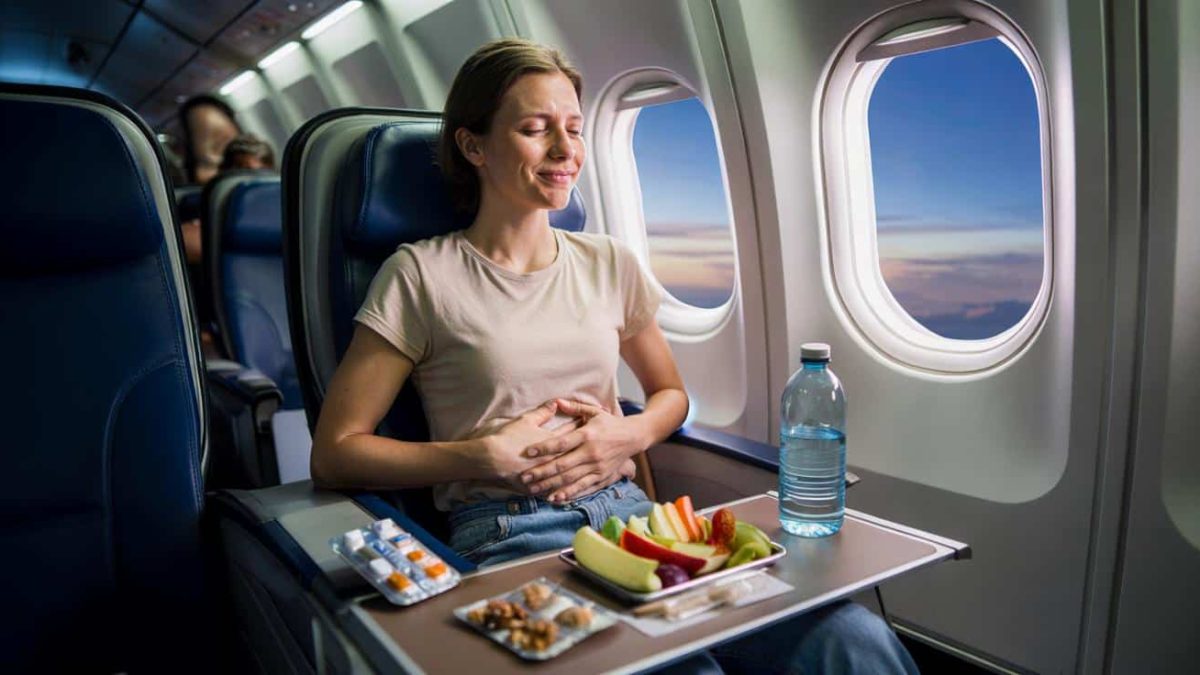
The stomach is growling, the suitcase is ready, the tickets are on the table – and yet an all-too-familiar problem makes itself felt. Suddenly, the bowel goes on strike and the carefully planned trip threatens to be overshadowed by gastrointestinal complaints. But there are a few simple tricks that can help ensure a relaxed holiday, even for the sensitive digestive system.
Whether it’s a city trip, a beach vacation or a mountain hike – the bowel often reacts sensitively to changes in diet, stress and physical exertion while traveling. But with a few preventive measures, you can ensure that the journey is not spoiled by discomfort.
Drink Properly – Even Before Departure
Sufficient fluid intake is essential for a well-functioning intestine, especially during travel. However, many people drink too little, especially on the day of departure when they are busy packing and preparing. It is therefore important to make sure you drink enough, ideally with water, herbal teas or unsweetened fruit juices, even before the journey begins.
Caffeinated drinks such as coffee or black tea should be limited, as they can have a dehydrating effect. Alcohol should also be avoided, as it can irritate the intestines. The optimal daily fluid intake during the trip is around 1.5 to 2 liters.
- ➡Der unterschätzte Akademiker: Fabien Galthiés überraschender Bildungsweg
- ➡Der einfache Wasch-Trick, der lästige Waschmittel-Flecken auf Kleidung verhindert
- ➡Das wiederentdeckte Geheimnis: Französisches U-Boot nach 80 Jahren vor der spanischen Küste gefunden
- ➡Warum ein kleinerer Freundeskreis im Alter oft zu mehr Glück führt
A good tip is to always have a water bottle with you and to take regular sips, even if you don’t feel particularly thirsty. This way, you can ensure that your fluid balance is balanced throughout the day.
The Right Snacks for a Relaxed Gut
Not only the amount of fluid, but also the choice of food can have a major influence on intestinal well-being during the trip. It is best to avoid heavy, greasy or spicy dishes, as they can be difficult to digest. Instead, focus on light, easily digestible foods that are gentle on the stomach and intestines.
Useful snacks include bananas, yogurt, nuts, or whole grain bread with hummus. Fruits and vegetables rich in fiber, such as apples, pears or carrots, also provide important nutrients and support intestinal health. It is important to drink enough fluids with these foods to ensure good digestibility.
Avoid overly processed foods, sugary sweets and carbonated drinks, as they can promote bloating and other gastrointestinal problems. If you are unsure about a food, it is better to play it safe and leave it out.
Slowly Building Up Fiber
Fiber is essential for maintaining a healthy intestinal flora and regular bowel movements. However, a sudden increase in fiber intake can lead to unpleasant side effects such as bloating or flatulence. It is therefore important to gradually increase the fiber content of your diet in the weeks before the trip.
Good sources of fiber include whole grains, legumes, fruits and vegetables. Start by adding small amounts of these foods to your meals and gradually increase the portion sizes. This way, your intestines can get used to the higher fiber content without causing discomfort.
During the trip itself, make sure to continue this fiber-rich diet. This will help maintain a healthy intestinal balance and prevent constipation or diarrhea.
Movement – Even on Short Distances
Regular exercise is not only good for your overall health, but can also have a positive effect on your intestinal function. Even short walks or gentle stretching exercises can stimulate bowel movements and promote digestion.
- ➡Warum Ärzte jetzt warnen: Zwischen 11 und 16 Uhr besser Fenster geschlossen halten
- ➡Heilung von Krebs durch eine Spritze? Forscher programmieren Immunzellen direkt im Körper um
- ➡Gefahr im Garten: Diese 3 Pflanzen locken ab März giftige Vipern an
- ➡Warum viele Menschen im Alter oft richtig aufblühen – Neue Erkenntnisse aus Langzeitstudie
Try to incorporate movement into your daily routine during the trip, even if it’s just a stroll through the city or a short hike. Avoid long periods of sitting, as this can lead to sluggish digestion and constipation.
Of course, it’s also important to listen to your body and not overexert yourself. The goal is to find a healthy balance between activity and rest.
Stress Management for the Gut
Stress is a common trigger for gastrointestinal problems, especially when traveling. The unfamiliar environment, time pressure and excitement can put a strain on the digestive system.
To counteract this, it’s important to build in regular breaks and relaxation rituals during your trip. Take time to unwind, whether it’s through meditation, yoga or simply spending time in nature. This will help your body and mind to relax and support the functioning of your intestines.
- ➡Starke Persönlichkeit: Diese 8 Sätze verraten, wie kraftvoll du wirklich bist
- ➡Wenn eine Meise im März in Ihre Wohnung fliegt – was steckt dahinter?
- ➡Inheritance Tax on Houses and Apartments: How Heirs Can Save Thousands of Euros with These Tricks
- ➡Stunning coastal village in the north becomes summer hotspot 2026
It’s also a good idea to maintain familiar routines as much as possible, such as going to bed at a regular time or sticking to your usual morning rituals. This can provide a sense of security and stability for your digestive system.
When to Seek Medical Advice
If, despite all precautions, you are plagued by severe or persistent gastrointestinal problems during your trip, it is best to seek medical advice. This is especially true if the symptoms are accompanied by fever, severe pain or blood in the stool.
A doctor can help determine the cause of the problems and provide appropriate treatment. In some cases, medication or additional diagnostic measures may be necessary.
It’s important not to let gastrointestinal issues ruin your vacation. With a little preparation and a few simple tricks, you can ensure that your trip is a relaxing and enjoyable experience – even for your sensitive digestive system.
| Tip | Description |
|---|---|
| Drink Enough | Ensure adequate fluid intake, especially before and during the trip. Avoid dehydrating drinks like coffee and alcohol. |
| Eat Wisely | Choose light, easily digestible foods and snacks. Avoid heavy, greasy or spicy dishes. |
| Increase Fiber Slowly | Build up fiber intake gradually before the trip to allow your digestive system to adjust. |
| Stay Active | Incorporate regular movement and exercise into your daily routine, even on short distances. |
| Manage Stress | Build in relaxation rituals and maintain familiar routines to reduce stress on your digestive system. |
“Traveling can be challenging for the digestive system, but with a little preparation and mindfulness, it’s possible to enjoy a relaxed and comfortable vacation.”
Dr. Sarah Müller, Gastroenterologist
“The key is to listen to your body and make adjustments as needed. If certain foods or activities cause discomfort, it’s best to avoid them or modify your plans accordingly.”
- ➡Mit 16 Jahren das Abitur geschafft – und dann 28 Ablehnungen: Wie kann das sein?
- ➡Wie einfache Tassen-Tricks Ihre Geschirrspüler-Stromkosten sofort senken
- ➡Dieser einfache Backofen-Trick macht Ihre Crème Caramel jedes Mal perfekt
- ➡Wenn Nähe Angst macht: Wie unsichere Bindungsmuster Sex zur Falle werden lassen
“Maintaining a healthy gut microbiome is especially important when traveling, as it can help strengthen the immune system and improve overall digestive function.”
Prof. Dr. Michael Hoffmann, Nutritionist
“Don’t be afraid to seek medical advice if your gastrointestinal issues persist or worsen. A professional can help get to the root of the problem and provide the right treatment.”
What is the “gut microbiome” and why is it important for digestion?
The gut microbiome refers to the trillions of microorganisms, including bacteria, viruses and fungi, that live in the human digestive system. These microbes play a crucial role in digestion, nutrient absorption, and overall gut health. When the microbiome is out of balance, it can lead to various gastrointestinal problems.
- ➡Ab 70 und Brille: Diese Kurzhaarfrisur lässt jedes Gesicht frischer wirken
- ➡Warum jetzt alle ihren Garten abdunkeln: Der Trend zu schwarzen Pflanzen
- ➡Gefährliche Winterfalle: Diese Pyrenäen-Panoramastraße überfordert jedes Jahr Urlauber
- ➡Der schmerzfreie Laufstart: Diese 7 Laufschuhe empfehlen Experten
How can I build up my fiber intake gradually?
Start by adding small amounts of high-fiber foods like whole grains, fruits, vegetables and legumes to your meals. Gradually increase the portion sizes over the course of several weeks. This allows your digestive system to adapt to the higher fiber content without causing discomfort.
What are some good snack options for sensitive stomachs?
Opt for easy-to-digest foods like bananas, yogurt, nuts, hummus and whole grain crackers. Avoid heavily processed, greasy or spicy snacks that can be hard on the digestive system.
How much should I be drinking on a daily basis while traveling?
Aim for 1.5 to 2 liters of fluid intake per day, preferably water, herbal teas or unsweetened fruit juices. Limit caffeinated drinks like coffee and black tea, as well as alcohol, which can have a dehydrating effect.
What are some effective stress management techniques for traveling?
Try incorporating relaxation rituals like meditation, yoga or simply spending time in nature. Maintaining familiar routines, such as a regular sleep schedule, can also help reduce stress on the digestive system.
When should I see a doctor about my gastrointestinal issues while traveling?
Seek medical advice if you experience severe or persistent symptoms like abdominal pain, diarrhea, constipation or blood in the stool, especially if they are accompanied by fever. A doctor can help determine the cause and provide appropriate treatment.
How can I stay active during my trip to support digestion?
Incorporate movement into your daily routine, even if it’s just a short walk or some gentle stretching. Avoid long periods of sitting, as this can lead to sluggish digestion. Listen to your body and find a healthy balance between activity and rest.
What are some common causes of digestive problems while traveling?
Changes in diet, increased stress, unfamiliar environments and physical exertion can all contribute to gastrointestinal issues like diarrhea, constipation, bloating or abdominal pain while traveling.