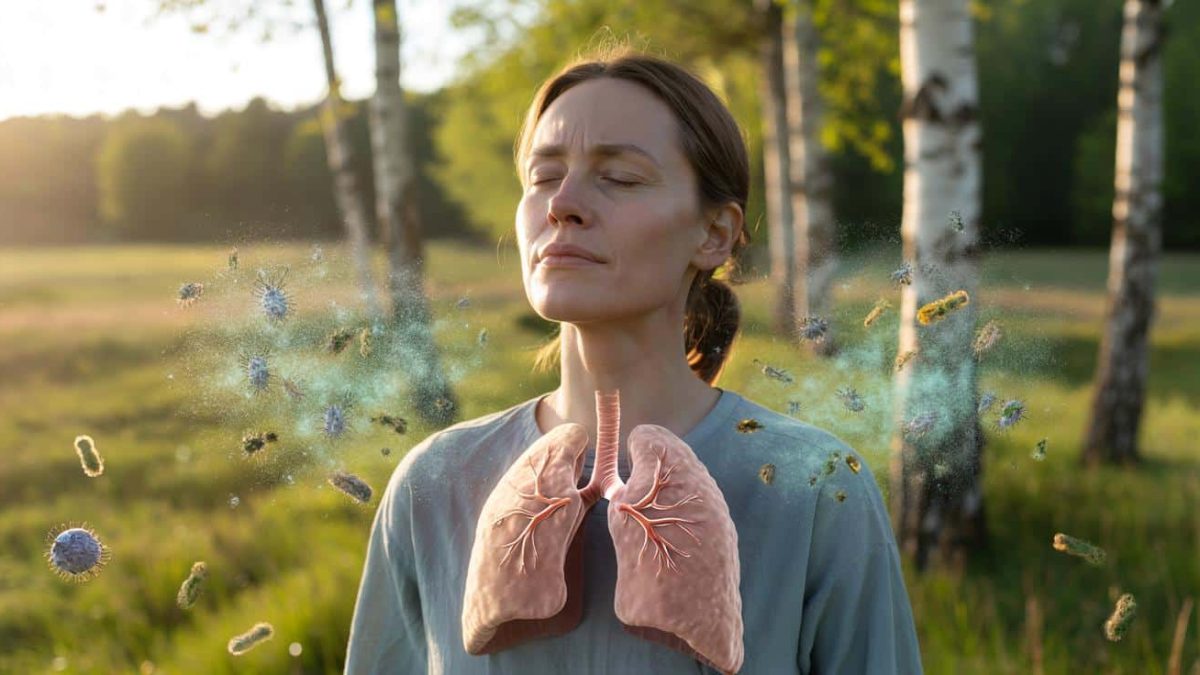
Imagine a world where your seasonal sniffles and watery eyes could be a thing of the past. That’s the tantalizing prospect presented by researchers in Paris, who have made a discovery that could fundamentally change our understanding of asthma and hay fever.
Their groundbreaking findings suggest that tiny, seemingly harmless microbes may hold the key to subduing these common allergic reactions. As we delve deeper into this remarkable scientific development, the potential for a revolutionary new approach to managing these conditions comes into focus.
Uncovering the Microbes Behind Allergy Protection
The researchers, based at the prestigious Pasteur Institute, have uncovered a unique microbial cocktail that appears to offer robust protection against allergic responses in mice. By introducing this carefully curated mixture of microbes, they were able to shield the rodents from experiencing allergy symptoms for more than three months.
This remarkable discovery challenges the conventional wisdom about how allergies develop in the lungs. Instead of the immune system overreacting to harmless substances, the researchers propose that the absence of certain microbes may be a crucial factor in the onset of these conditions.
- ➡Deutscher Magen-Darm-Arzt verrät: Dieses Alltags-Lebensmittel isst er täglich
- ➡Canal+ plant Netflix-Ähnliches Modell: Teilen-Verbot und Werbeabos in Planung
- ➡Die Zukunft der Smartphone-Apps: Wie Künstliche Intelligenz den klassischen App-Markt verändert
- ➡Polnischer YouTuber heizt mit Lidl-Berliner: Billiger als Holzpellets?
The study’s findings shed light on the role of an unsung group of cells called fibroblasts, which play a crucial yet often overlooked part in the body’s immune response. These cells, it seems, have a remarkable memory, allowing them to remember past exposure to microbes and mount a more effective defense against allergens.
A Promising Path to Allergy Prevention
The implications of this research are vast, offering the tantalizing prospect of a new approach to preventing and managing allergies. By harnessing the power of these beneficial microbes, scientists may be able to develop innovative therapies that could dramatically improve the lives of those suffering from hay fever and asthma.
The key, it appears, lies in restoring the delicate balance of microbes within the body. By reintroducing the right combination of these tiny organisms, the researchers believe they can help the immune system regain its natural resilience, ultimately rendering it less prone to overreacting to harmless environmental triggers.
This revolutionary approach stands in stark contrast to traditional allergy treatments, which often rely on symptom-masking medications or desensitization therapies. Instead, the focus here is on addressing the root cause of the problem, potentially offering a more sustainable and effective solution.
- ➡Diese zwei Sternzeichen haben Mühe mit Kritik – und riskieren Ende März eine Explosion
- ➡Permanently bloated? These popular foods turn the stomach into a gas factory
- ➡Was Psychologie über dich verrät, wenn du im Restaurant mit abräumst
- ➡Traumhaus, Alptraum-Kredit: Wie eine Familie fast an ihrem Eigenheim zerbrach
The Road Ahead: Challenges and Opportunities
Of course, translating these promising findings from the lab to real-world clinical applications is no easy feat. Researchers will need to navigate a complex web of regulatory hurdles and ensure the safety and efficacy of any potential treatments that emerge from this research.
Additionally, there are questions about the long-term viability of this approach. Will the beneficial effects of the microbial cocktail persist, or will the body’s natural defenses eventually adapt and overcome the protection? These are the kinds of challenges that the scientific community will need to grapple with as they work to bring this revolutionary concept to fruition.
Yet, the excitement surrounding this discovery is palpable. The potential to transform the lives of millions of allergy sufferers has captured the imagination of researchers and patients alike. As the scientific community digs deeper into the role of microbes in immune function, the prospect of a true revolution in the way we approach allergies and asthma becomes increasingly tantalizing.
What Allergy Patients Can Do Today
While the scientific community works to translate these findings into tangible treatments, there are steps that allergy sufferers can take today to potentially bolster their own microbial defenses. Promoting a diverse, healthy gut microbiome through a balanced diet rich in prebiotics and probiotics may help strengthen the body’s natural resilience.
Additionally, exposure to a variety of harmless microbes, such as those found in natural environments, may help build a more robust immune system. Simple lifestyle changes, like spending more time outdoors or incorporating fermented foods into the diet, could make a meaningful difference in the management of allergic conditions.
As the scientific community continues to unravel the intricate relationship between microbes, the immune system, and allergic responses, the promise of a future where hay fever and asthma are no longer the bane of millions grows ever more tantalizing. The revolutionary potential of this research is a testament to the power of scientific exploration and the relentless pursuit of solutions to some of humanity’s most pressing health challenges.
Understanding the Key Concepts
| Term | Explanation |
|---|---|
| Allergies | An overreaction of the immune system to harmless substances, leading to symptoms like sneezing, itching, and inflammation. |
| Asthma | A chronic respiratory condition characterized by inflammation and narrowing of the airways, often triggered by allergic reactions. |
| Microbes | Microscopic organisms, including bacteria, viruses, and fungi, that live in and on the human body. |
| Fibroblasts | Cells that play a crucial role in the body’s immune response and tissue repair processes. |
| Gut Microbiome | The diverse community of microbes that reside in the human digestive system, with a significant impact on overall health. |
“This discovery could lead to a fundamental shift in the way we approach and treat allergic conditions like asthma and hay fever. By harnessing the power of microbes, we may be able to provide long-lasting protection and relief for millions of people.”
Also Read
- ➡The World’s Largest City: How 37 Million People Live in Tokyo
- ➡Blühende Böschung statt Betonwand: Wie Sie Ihre Traumböschung für unter 20 Euro pro Quadratmeter schaffen
- ➡Harvard warnt: So erkennen Sie unfähige Chefs an diesem unauffälligen Zeichen
- ➡Frische Farbe am Gartentor? Diese teure Regel trifft Hausbesitzer 2026
– Dr. Emilie Lefevre, Immunologist at the Pasteur Institute
“The potential to prevent allergies by reintroducing beneficial microbes is incredibly exciting. It’s a radically different approach that could transform the lives of those suffering from these debilitating conditions.”
– Dr. Luca Gigante, Allergy Specialist at the University of Milan
“This research highlights the intricate relationship between the human body, the immune system, and the microbial world. By understanding and harnessing these connections, we may unlock new possibilities for improving human health and wellbeing.”
Also Read
- ➡Tropische Idylle auf Mauritius: Diese Laguneninsel bleibt fast menschenleer
- ➡Warum manche Menschen einfach abtauchen – und dann plötzlich wieder da sind
- ➡Abnehmen ohne Quälerei: Dieser kleine Teller-Trick schlägt stundenlanges Training
- ➡Bouygues’ New Turbo Fibre Box: 2 Gbit/s Without Contractual Traps
– Dr. Sophia Müller, Microbiology Researcher at the University of Heidelberg
“The key to unlocking the secrets of allergies may lie in the smallest of creatures – the microbes that call our bodies home.”
“As we delve deeper into the complex interplay between the immune system and the microbial world, the promise of a future free from the burdens of hay fever and asthma grows ever more tantalizing.”
Frequently Asked Questions
How do the microbes protect against allergies?
The researchers believe that the introduction of a specific microbial cocktail helps to “train” the immune system, making it less prone to overreacting to harmless environmental triggers. The microbes appear to strengthen the body’s natural defenses, particularly the role of fibroblasts, in preventing allergic responses.
- ➡Der Rugby-Trainer mit der dunklen Vergangenheit: Fabien Galthiés Enthüllungen über sein inneres Leben
- ➡Mitten im Leben verloren: Warum uns um das 50. Lebensjahr die große Sinnkrise packt
- ➡“Ich dachte, wir wären arm”: Wie strenge Eltern mir finanzielle Klugheit beibrachten
- ➡Der Comeback der 90er-Locken: Wie das Power-Brushing glatte Mähnen 2026 ablöst
Is this approach safe and effective for humans?
The research is still in the early stages, and extensive clinical trials will be needed to determine the safety and efficacy of this approach in humans. The researchers are cautiously optimistic, but more work is required to translate these findings from the lab to real-world applications.
How long do the protective effects last?
In the mouse studies, the protective effects of the microbial cocktail persisted for over three months. However, it’s unclear if this level of long-term protection will be achievable in humans, and researchers will need to explore the durability of the approach.
Can I start taking probiotics to help with my allergies?
While promoting a healthy gut microbiome through probiotic-rich foods or supplements may provide some benefits, the specific microbial cocktail used in the research is not yet available. It’s best to consult with your healthcare provider before making any significant changes to your diet or supplement routine.
What other lifestyle changes can help manage allergies?
In addition to supporting a diverse gut microbiome, spending more time in natural environments, reducing exposure to pollutants, and managing stress levels may all contribute to improved allergy management. However, these approaches should be used in conjunction with any medical treatments recommended by your healthcare provider.
- ➡Former Rockstar Developer Confident: This Fantasy Epic Could Snatch the “Game of the Year” Title from GTA 6
- ➡Der Schlüssel zu kräftigeren und gesünderen Tomaten: Ein einfacher Trick für den Garten
- ➡China erlaubt das erste Gehirnimplantat für Gelähmte – was steckt dahinter?
- ➡Sensation in Jerusalem: Forscher finden erste Beweise für byzantinische Nonnen in Ketten
How soon could this new approach be available to patients?
It’s difficult to predict the timeline, as the research is still in the early stages. Extensive clinical trials and regulatory approvals will be necessary before any new allergy treatments based on this approach can be made available to the public. Patients may have to wait several years before this potential revolution in allergy management becomes a reality.
Will this approach work for all types of allergies?
The researchers are primarily focused on addressing allergies related to asthma and hay fever, as these were the focus of their initial studies. However, the underlying principles of modulating the immune system through microbiome manipulation may have broader applications for other types of allergies as well. Further research will be needed to explore the full scope of this approach.
Can this treatment be used in combination with other allergy therapies?
It’s possible that this microbial-based approach could be used in conjunction with existing allergy treatments, such as antihistamines or immunotherapy, to provide a more comprehensive and effective management strategy. However, the interactions and potential synergies would need to be carefully studied to ensure the safety and efficacy of any combined treatments.