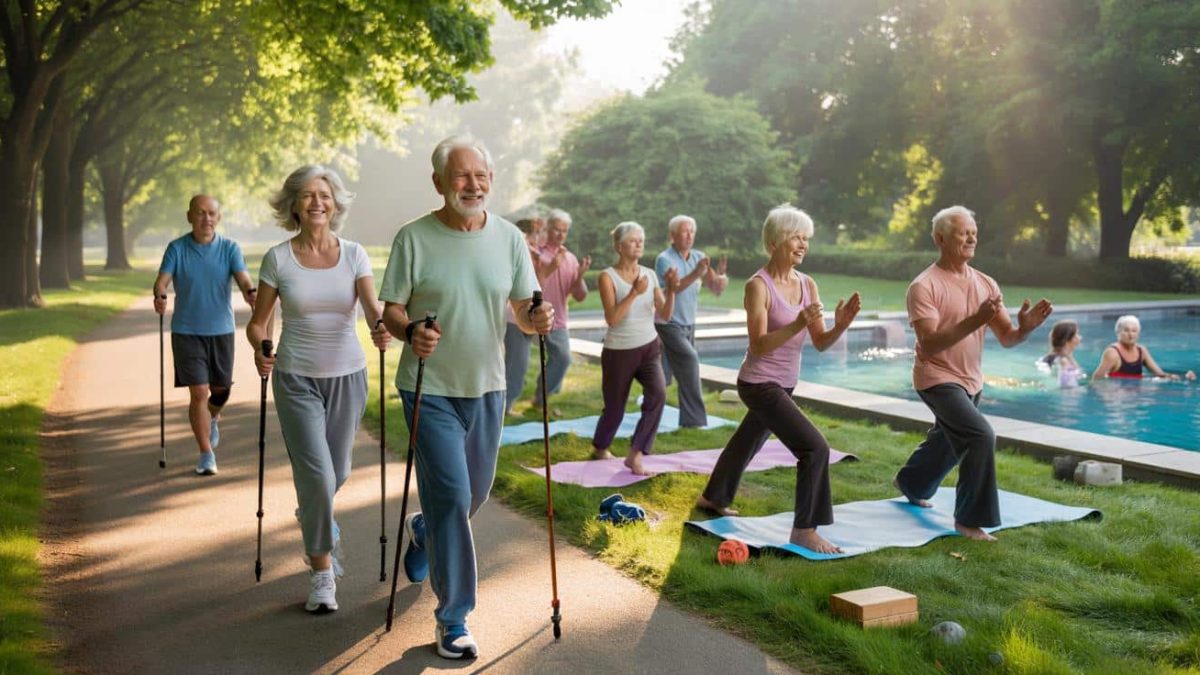
Reaching 60 years old doesn’t mean you have to give up an active lifestyle. In fact, gentle, well-dosed sports can have an astounding effect, even in the later years of life. Instead of resigning yourself to painful joints or a stiff back, you can discover a whole new world of possibilities when it comes to staying fit and healthy.
The key is finding the right activities that cater to the unique needs and abilities of the over-60 crowd. These sports not only provide physical benefits but can also boost mental well-being, improve balance, and promote a sense of community. So, if you’re ready to embrace a more active retirement, read on to discover the top 5 gentle sports that can work wonders for your body and mind.
Tai Chi: Gentle Martial Arts for Joints and Balance
Tai Chi is a gentle, flowing martial art that emphasizes slow, deliberate movements and deep breathing. It’s an excellent choice for older adults looking to improve their flexibility, balance, and coordination. The low-impact nature of Tai Chi puts minimal stress on the joints, making it a safe and accessible form of exercise.
One of the key benefits of Tai Chi is its positive impact on balance and stability. As we age, our sense of balance can decline, leading to an increased risk of falls. Practicing Tai Chi helps to strengthen the core muscles and improve proprioception, the body’s ability to sense its position and movement in space.
- ➡Wie oft sollten Menschen ab 60 wirklich duschen? Experten empfehlen eine optimale Frequenz
- ➡TV-Star setzt auf Trend: Diese weißen Nike-Sneaker will jetzt jeder
- ➡Die geniale 3-Zutaten-Mischung, die Ihre Rollläden monatelang sauber hält
- ➡Glücklich im Ruhestand: 7 tägliche Entscheidungen, die alles verändern
Additionally, Tai Chi has been shown to have a calming effect on the mind, reducing stress and promoting relaxation. This mind-body connection can be particularly valuable for older adults, who may face challenges with mental health or cognitive function.
Yoga: Breathe Better, Stand Taller, Sleep Better
Yoga is another gentle, low-impact activity that can provide a wealth of benefits for older adults. Unlike the more physically demanding styles of yoga, gentler forms like Hatha or Restorative yoga are well-suited for those in their golden years.
One of the primary advantages of yoga for the over-60 crowd is its focus on improving flexibility and mobility. Many older adults struggle with stiffness and limited range of motion, which can make everyday tasks more challenging. Yoga’s stretching and strengthening poses can help to restore joint and muscle function, allowing for greater ease of movement.
Yoga also emphasizes proper breathing techniques, which can have a positive impact on respiratory health and overall well-being. Deep, controlled breathing can help to reduce stress, improve sleep quality, and even enhance cognitive function.
Pilates: Stronger Core, Stable Posture, Safer Gait
Pilates is a low-impact exercise system that focuses on strengthening the core muscles, improving posture, and promoting overall body control. Unlike traditional strength training, Pilates utilizes bodyweight exercises and resistance bands to build muscle without placing undue stress on the joints.
For older adults, a strong core is essential for maintaining good posture, balance, and stability. Pilates exercises target the abdominal, back, and hip muscles, helping to improve overall body alignment and reduce the risk of falls.
In addition to its physical benefits, Pilates can also have a positive impact on mental well-being. The focus on controlled, mindful movements can help to reduce stress and anxiety, promoting a greater sense of calm and focus.
Nordic Walking: Fitness Walking with a Twist
Nordic walking is a form of fitness walking that incorporates the use of specialized poles. This activity is particularly well-suited for older adults, as it provides a low-impact cardiovascular workout while also engaging the upper body muscles.
- ➡Peppermint Oil Against Squirrels: Wonder Remedy or Garden Myth?
- ➡Duschen ab 60: Wie oft ist es noch gesund – und was tut Ihrer Haut jetzt gut?
- ➡Mercosur-Deal: Diese Lebensmittel treffen Europa jetzt wirklich
- ➡Quantum Battery Breakthrough: Researchers Unveil a Wireless Charging Battery that Charges in Fractions of a Second
The use of poles in Nordic walking helps to take pressure off the lower body joints, making it a gentler alternative to traditional walking. At the same time, the addition of the poles engages the arm and shoulder muscles, leading to a more well-rounded workout.
Beyond the physical benefits, Nordic walking also offers a social component. Many communities organize group walks, allowing older adults to connect with others and enjoy the outdoors together.
Swimming and Aqua Fitness: Gentle on the Joints
For those seeking a truly low-impact form of exercise, swimming and aqua fitness are excellent options. The buoyancy of the water reduces the strain on the joints, making these activities ideal for older adults with mobility or joint-related issues.
In addition to being easy on the body, swimming and aqua fitness provide a full-body workout that can improve cardiovascular health, muscle strength, and flexibility. The resistance provided by the water also helps to build endurance and tone muscles without excessive strain.
- ➡94-Year-Old in Nursing Home Obligated to Continue Leasing: How to Protect Your Family
- ➡Warum Bratkartoffeln oft matschig werden und wie man sie knusprig bekommt
- ➡Bodenbedeckende Gräser: Diese 5 trittsicheren Pflanzenteppiche sparen richtig Geld
- ➡Diese unscheinbare Gartenpflanze zieht mehr Vögel an als jede Futterstelle
Another advantage of these water-based activities is their ability to improve balance and stability. The natural resistance of the water challenges the body’s proprioceptive system, helping to enhance overall coordination and balance.
The Benefits of Gentle Sports for the Over-60 Crowd
Engaging in gentle, well-dosed sports can have a profound impact on the physical and mental well-being of older adults. These activities can help to:
- Improve joint mobility and flexibility
- Enhance balance and stability, reducing the risk of falls
- Strengthen the core and improve overall posture
- Boost cardiovascular health and endurance
- Promote relaxation and stress reduction
- Foster a sense of community and social engagement
By choosing the right activities and starting at a comfortable pace, older adults can enjoy the benefits of an active lifestyle without risking injury or excessive strain.
| Sport | Key Benefits |
|---|---|
| Tai Chi | Improved balance, joint mobility, and mental well-being |
| Yoga | Enhanced flexibility, respiratory health, and sleep quality |
| Pilates | Stronger core, better posture, and safer gait |
| Nordic Walking | Low-impact cardio workout with upper body engagement |
| Swimming/Aqua Fitness | Gentle on the joints, full-body workout, and balance improvement |
“Staying active and maintaining a healthy lifestyle is crucial as we age. These gentle sports provide a safe and effective way for older adults to stay fit and engaged, both physically and mentally.” – Dr. Maria Schulz, Geriatric Physician
“One of the most common challenges I see with my older patients is a reluctance to exercise due to concerns about joint pain or injury. Introducing them to low-impact activities like Tai Chi or Pilates has been a game-changer, helping them regain their confidence and independence.” – Sarah Müller, Physical Therapist
“The social aspect of these gentle sports should not be overlooked. By participating in group activities, older adults can build connections, reduce isolation, and find a renewed sense of purpose. This holistic approach to wellness is so important in the later years of life.” – Dr. Thomas Hoffmann, Gerontologist
“As we age, it’s easy to fall into the trap of believing that we’re ‘too old’ for certain activities. But the reality is that the human body is remarkably resilient, and with the right approach, older adults can continue to enjoy an active, fulfilling lifestyle. The key is finding the right balance between challenge and comfort.” – Julia Weber, Fitness Instructor
- ➡9 geistige Stärken der Generation der 60er- und 70er-Jahre, die heute nur noch selten zu finden sind
- ➡Spinnenplants or Bow Hemp: Which Houseplant Suits You Better?
- ➡Wie Verpackungen den Kiwi-Preis im Supermarkt heimlich verdoppeln
- ➡Inheritance Tax on Houses and Apartments: How Heirs Can Save Thousands of Euros with These Tricks
Getting Started: Tips for Older Adults
If you’re an older adult looking to incorporate gentle sports into your routine, here are a few tips to get you started:
- Start slow and gradually increase the intensity and duration of your workouts. Rushing into a new activity can lead to injury or burnout.
- Consider working with a qualified instructor or physical therapist, especially if you have any existing health conditions or mobility limitations.
- Invest in proper equipment, such as comfortable, supportive shoes or specialized walking poles, to ensure a safe and enjoyable experience.
- Prioritize activities that align with your personal interests and fitness goals. Finding an activity you genuinely enjoy will make it easier to stick with it long-term.
- Incorporate a mix of different gentle sports to target various aspects of your health, such as flexibility, balance, and cardiovascular fitness.
- Don’t be afraid to try new things! Exploring different gentle sports can keep your workouts fresh and engaging.
- Stay hydrated and listen to your body. If something doesn’t feel right, don’t hesitate to take a break or modify the activity.
- Celebrate your progress and milestones, no matter how small. Staying motivated and focused on your achievements can help you stay on track.
Staying Motivated: Strategies for Long-Term Success
Maintaining a consistent exercise routine can be a challenge at any age, but it’s especially important for older adults to find ways to stay motivated and engaged. Here are some tips to help you stay on track with your gentle sports routine:
- Join a local group or club that focuses on your chosen activity. The social support and sense of community can be a powerful motivator.
- Set realistic, achievable goals and track your progress. Seeing the tangible benefits of your efforts can be incredibly rewarding.
- Mix up your routine by trying new variations or incorporating different gentle sports. Variety can help prevent boredom and keep your workouts interesting.
- Find a workout buddy or enlist the support of friends and family. Exercising with others can make the experience more enjoyable and help you stay accountable.
- Celebrate non-scale victories, such as improved flexibility, better balance, or increased energy levels. These smaller achievements can be just as motivating as weight loss or other physical changes.
- Be patient and kind to yourself. Setbacks and plateaus are a normal part of the journey. Focus on the progress you’ve made and use any challenges as opportunities to learn and grow.
FAQs
What are the best gentle sports for older adults with joint pain?
Swimming, aqua fitness, and Tai Chi are excellent choices for older adults with joint pain, as they are low-impact and gentle on the joints.
How often should older adults engage in gentle sports?
It’s recommended that older adults aim for at least 150 minutes of moderate-intensity physical activity per week, which can be achieved through a combination of gentle sports. Start with 2-3 sessions per week and gradually increase as your fitness level improves.
- ➡40 Years of Zelda: 5 Shocking Secrets Even Hardcore Fans Don’t Know
- ➡Geschockt beim Chips-Snack: Kundin findet schwarze Stellen – was sagt San Carlo dazu?
- ➡Wenn Nähe Angst macht: Wie unsichere Bindungsmuster Sex zur Falle werden lassen
- ➡This Underestimated Onion Trick Makes Every Salad Bowl a Real Eye-Catcher
Can gentle sports help improve balance and prevent falls?
Yes, activities like Tai Chi, Pilates, and Nordic walking can significantly improve balance and stability, reducing the risk of falls in older adults.
What are the mental health benefits of gentle sports for older adults?
Gentle sports can help reduce stress, improve mood, and promote a greater sense of well-being in older adults. The mind-body connection, social interaction, and sense of accomplishment can all contribute to better mental health.
Do I need to consult a healthcare professional before starting a gentle sport?
It’s always a good idea to consult with your healthcare provider before starting a new exercise routine, especially if you have any existing health conditions. They can provide guidance on the most suitable activities and any necessary precautions.
How can I find a good instructor or class for gentle sports in my area?
Check with your local community centers, senior centers, or fitness facilities to see what gentle sport options they offer. You can also search online for reviews and recommendations of instructors or classes that cater to older adults.
- ➡Die tickende Atombombe im Pazifik: Bröckelt Amerikas geheime Entsorgungsstätte?
- ➡Heroes of Might & Magic: Olden Era – Die Oberfläche, Einheiten und Spielfunktionen im großen Remake-Check
- ➡Wie Sie Ihre Wohnung auch ohne Heizung warm halten können – Tipps und Tricks für die kalte Jahreszeit
- ➡Der Trick, der Ihre Hortensien im Frühling zu einer Blütenpracht macht
Is it too late to start a new gentle sport if I’ve never been active before?
It’s never too late to start! Even older adults who have been sedentary for years can benefit from incorporating gentle sports into their lifestyle. The key is to start at a comfortable pace and gradually build up your fitness level over time.
How can I stay motivated to continue with my gentle sport routine?
Find ways to make your gentle sports enjoyable, such as joining a group or finding a workout buddy. Set achievable goals and celebrate your progress, no matter how small. Staying flexible and trying new activities can also help keep your routine fresh and engaging.