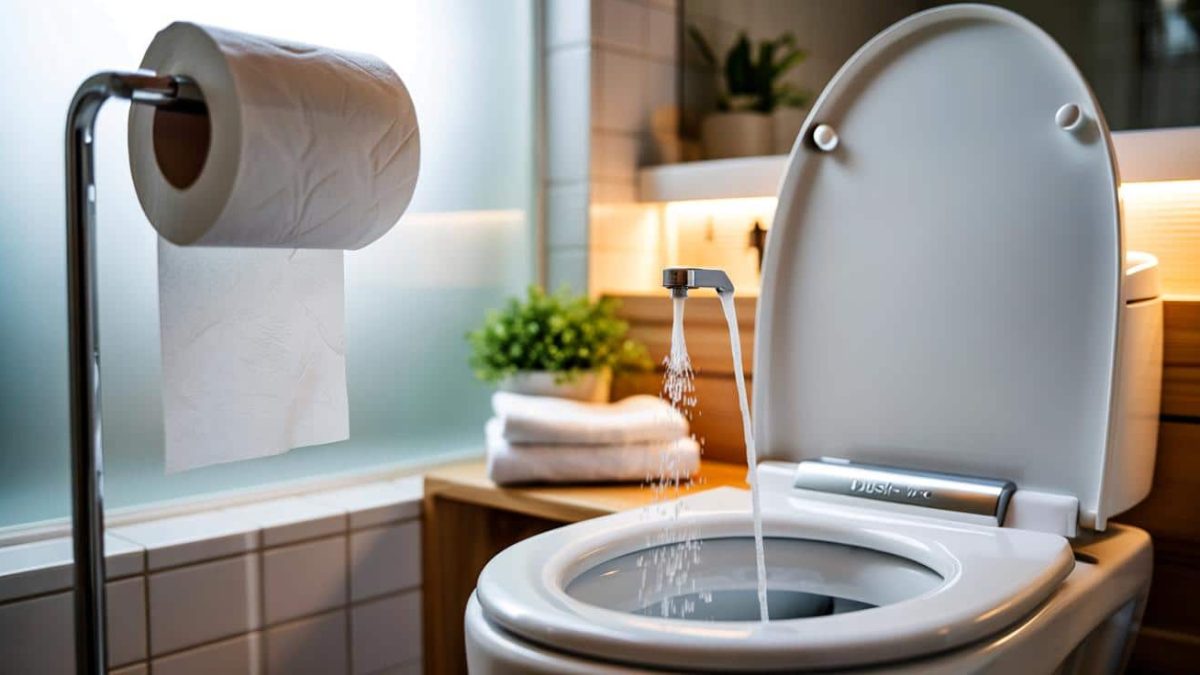
Gone are the days when a roll of toilet paper was the go-to solution for personal hygiene. Across the globe, an increasing number of people are embracing a more efficient and eco-friendly alternative: water-based cleansing. This shift in mindset is not just a passing trend, but a reflection of a growing awareness about the limitations and environmental impact of traditional toilet paper.
From the bustling streets of Japan to the modern households of Europe, the benefits of water-based cleaning are becoming increasingly apparent. As we delve into this revolutionary change, one thing becomes clear: the future of personal hygiene is liquid, not paper.
Saying goodbye to the roll: Why water-based cleaning is on the rise
The reliance on toilet paper has long been ingrained in our daily routines, but the tide is turning. Driven by a desire for improved hygiene, environmental consciousness, and personal comfort, more and more people are embracing the convenience and effectiveness of water-based cleansing.
One of the primary drivers behind this shift is the growing recognition that traditional toilet paper may not be as hygienic as we once believed. While it may effectively remove visible waste, it often leaves behind residue and can contribute to skin irritation, especially for those with sensitive skin or certain medical conditions.
In contrast, water-based cleaning offers a more thorough and gentle solution. By utilizing the cleansing power of water, users can achieve a deeper level of personal hygiene, leaving them feeling refreshed and confident in their cleanliness.
A global trend: How water-based cleaning is gaining popularity worldwide
The adoption of water-based cleaning is not limited to a particular region or culture. In fact, it has become a global phenomenon, with countries like Japan, South Korea, and parts of Europe leading the way in normalizing this alternative approach to personal hygiene.
In Japan, for instance, the use of high-tech “Washlet” toilet seats, which incorporate built-in bidets and water-based cleansing features, has become a standard in many households and public facilities. This widespread acceptance of water-based cleaning has inspired a growing interest in other parts of the world, as people seek to emulate the convenience and hygienic benefits they’ve observed.
Similarly, in countries like South Korea and certain European nations, the integration of water-based cleaning systems into modern bathroom designs has helped to drive the adoption of this trend. As more people experience the benefits firsthand, the demand for water-based cleaning solutions continues to rise, challenging the long-standing dominance of toilet paper.
Addressing the environmental impact: How water-based cleaning is a more sustainable choice
Beyond the personal hygiene benefits, the shift towards water-based cleaning also carries significant environmental implications. The production and disposal of toilet paper have long been a concern for environmentally conscious consumers, who are now seeking out more sustainable alternatives.
Toilet paper, while seemingly innocuous, has a significant ecological footprint. The manufacturing process often involves the use of bleaching agents and the deforestation of valuable natural resources. Furthermore, the sheer volume of waste generated by toilet paper usage contributes to landfill accumulation and waste management challenges.
In contrast, water-based cleaning systems, when properly implemented, can reduce the overall environmental impact. By minimizing the need for disposable paper products, water-based systems help to conserve natural resources and reduce waste. Additionally, the water used in these systems can be efficiently recycled and reused, further enhancing their sustainability.
The rise of smart bathroom technology: How modern bidets and wash toilets are changing the game
As the demand for water-based cleaning continues to grow, the technological advancements in this field have been nothing short of remarkable. Modern bidets and wash toilets, often referred to as “smart toilets,” have evolved far beyond their traditional counterparts, offering a wide range of features and functionalities that cater to the needs of modern consumers.
- ➡Drohendes Kaffeemangel: Dieses Lieblingsgetränk könnte bald aus den Regalen verschwinden
- ➡Der kurze Wikingername, der in den Baby-Hitlisten steil nach oben klettert
- ➡Beliebte Antidepressiva unter Verdacht: Studie zeigt deutlich erhöhtes Risiko für Herzstillstand
- ➡Gardeners Turn Their Backs on Photinia: This Shrub Will Dominate Hedges in 2026
These advanced systems go beyond the simple water-based cleaning, incorporating features such as temperature control, adjustable water pressure, and even self-cleaning functions. Some models even offer integrated air drying capabilities, eliminating the need for toilet paper altogether. The integration of smart technology has not only improved the overall user experience but has also made water-based cleaning more accessible and appealing to a broader demographic.
As these high-tech bathroom solutions become more prevalent, they are driving a shift in consumer perceptions and expectations. What was once seen as a niche or exotic feature is now being recognized as a practical and even essential component of modern bathroom design.
Breaking the habit: Overcoming the resistance to water-based cleaning
Despite the growing popularity of water-based cleaning, the transition away from the familiar toilet paper can still be a challenge for some individuals. Habits and personal preferences can be deeply ingrained, and the idea of adopting a new approach to personal hygiene may seem daunting at first.
However, as more people experience the benefits of water-based cleaning firsthand, the resistance to change is slowly diminishing. The convenience, improved hygiene, and environmental benefits of these systems are proving to be powerful incentives for those willing to step outside their comfort zone.
Moreover, the accessibility of water-based cleaning solutions, both in terms of affordability and ease of installation, has made the transition much smoother. As more households and public facilities incorporate these systems, the normalization of water-based cleaning is becoming increasingly widespread, helping to overcome the initial hesitation and cement it as a viable and desirable alternative to traditional toilet paper.
| Advantages of Water-Based Cleaning | Disadvantages of Toilet Paper |
|---|---|
|
|
“The shift towards water-based cleaning is a reflection of a growing awareness about the limitations and environmental impact of traditional toilet paper. As more people experience the benefits firsthand, the demand for these systems will continue to rise, challenging the long-standing dominance of toilet paper.”
– Dr. Sarah Müller, Environmental Sustainability Expert
The future of personal hygiene is undoubtedly water-based, and the transition away from toilet paper is not merely a passing trend, but a fundamental shift in consumer behavior and environmental consciousness.
Practical tips for a smooth transition to water-based cleaning
For those interested in exploring the world of water-based cleaning, there are a few practical tips to ensure a seamless transition:
Start with a bidet attachment or a standalone bidet unit, which can be easily installed in most existing bathroom setups. This allows you to experience the benefits of water-based cleaning without the need for a complete bathroom renovation.
When considering a more integrated solution, such as a smart toilet or a wash toilet, research the various features and functionalities to find the one that best suits your needs and preferences. Pay attention to factors like water pressure, temperature control, and energy efficiency.
Educate yourself and your household on the proper use and maintenance of water-based cleaning systems. This will help ensure that you maximize the benefits and extend the lifespan of your investment.
| Frequently Asked Questions | Answers |
|---|---|
| How much water do water-based cleaning systems use? | Most modern water-based cleaning systems are designed to be water-efficient, using only a few liters of water per use. The water is often recycled and reused, minimizing the overall consumption. |
| Are water-based cleaning systems hygienic? | Yes, water-based cleaning systems are generally more hygienic than traditional toilet paper, as they offer a more thorough and gentle cleansing process. Many models also feature self-cleaning functions to maintain a high level of hygiene. |
| How do I install a water-based cleaning system? | Installing a water-based cleaning system, such as a bidet attachment or a smart toilet, is typically a straightforward process that can be done by most homeowners. Many manufacturers provide easy-to-follow installation guides and instructions. |
| Are water-based cleaning systems environmentally friendly? | Yes, water-based cleaning systems are generally more environmentally friendly than traditional toilet paper. They reduce the need for paper production and waste, and many models feature water recycling and energy-efficient features. |
| How much do water-based cleaning systems cost? | The cost of water-based cleaning systems can vary widely, depending on the features and level of integration. Bidet attachments can be relatively affordable, while smart toilets and wash toilets may be more expensive. However, the long-term benefits and cost savings often outweigh the initial investment. |
| Are there any health benefits to using water-based cleaning? | Yes, water-based cleaning can offer several health benefits, such as improved personal hygiene, reduced risk of skin irritation, and better management of certain medical conditions like hemorrhoids or urinary tract infections. |
| How do I maintain a water-based cleaning system? | Maintaining a water-based cleaning system typically involves regular cleaning and descaling, as well as following the manufacturer’s instructions for proper use and care. Many models feature self-cleaning functions to simplify the maintenance process. |
| Can water-based cleaning systems be used by people with disabilities or mobility issues? | Yes, many water-based cleaning systems, especially smart toilets and wash toilets, are designed with features and accessibility options to accommodate people with disabilities or mobility challenges. These can include adjustable heights, remote controls, and specialized seating. |
“The shift towards water-based cleaning is not just about convenience and hygiene; it’s a reflection of a growing global awareness about the environmental impact of our daily habits. As more people recognize the benefits of this sustainable alternative, the future of personal hygiene is undoubtedly liquid.”
– Dr. Lukas Bauer, Environmental Policy Analyst
The future of personal hygiene is undoubtedly water-based, and the transition away from toilet paper is not merely a passing trend, but a fundamental shift in consumer behavior and environmental consciousness. As more people embrace the benefits of water-based cleaning, the dominance of traditional toilet paper will continue to diminish, paving the way for a more hygienic, sustainable, and technologically advanced approach to personal care.
“The integration of smart technology into water-based cleaning systems has been a game-changer, making these solutions more accessible and appealing to a broader demographic. As these high-tech bathroom features become the norm, we’ll see a significant shift in how people approach their personal hygiene routines.”
– Sophia Schneider, Interior Design Specialist