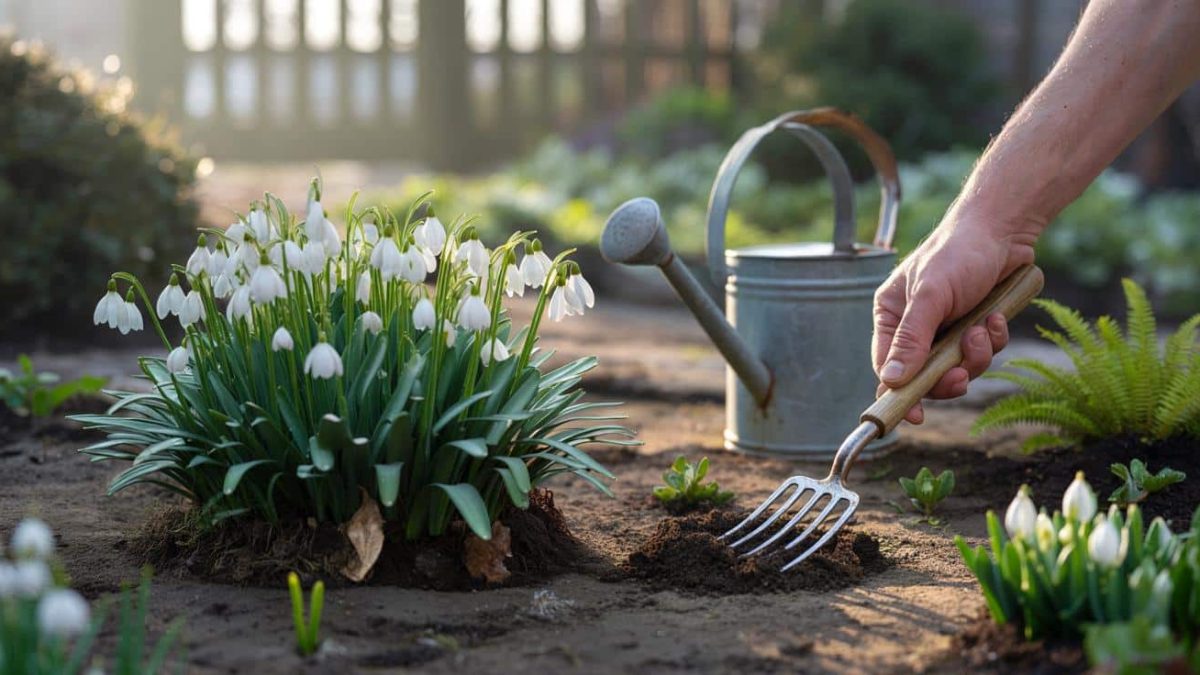
As the first harbingers of spring, snowdrops bring life back to the garden in late winter. But once their delicate blooms have faded, the area can look a bit bare and neglected. Fortunately, there are several tips and tricks that savvy gardeners can use to ensure their snowdrops continue to thrive and add color to the early spring landscape.
Whether you’re a seasoned green thumb or a budding gardener, understanding how to properly care for snowdrops after they’ve finished flowering can make all the difference in creating a lush, vibrant garden that’s a joy to behold all season long.
Leave the Leaves Alone
It can be tempting to tidy up the garden by removing the spent snowdrop leaves, but this is actually counterproductive. Those unassuming green leaves play a crucial role in nourishing the bulbs for the following year’s blooms. Instead of clearing them away, let the leaves naturally wither and die back.
This gradual die-off allows the nutrients stored in the leaves to be absorbed back into the bulbs, giving them the energy they need to produce an even more impressive display next spring. Resist the urge to tidy up and let nature take its course.
- ➡Dramatischer Zwischenfall auf der ISS: Russischer Frachter verliert Antenne bei Annäherung
- ➡Mit 16 Jahren das Abitur geschafft – und dann 28 Ablehnungen: Wie kann das sein?
- ➡Genießen Sie Ihren Ruhestand glücklicher: 5 einfache Abendrituale mit großer Wirkung
- ➡Warum Ärzte bereits 9-Jährige auf Cholesterin testen empfehlen
Of course, if the leaves become unsightly or start to encroach on other plants, you can gently tidy them up. But try to leave as much of the foliage in place as possible.
Feed Them After Flowering
While snowdrops may be one of the first flowers to bloom, they still need a little extra nourishment to keep them going strong. After the blooms have faded, it’s the perfect time to give them a boost with a light fertilizer.
Look for a balanced, slow-release fertilizer that’s formulated for spring-flowering bulbs. Apply it according to the manufacturer’s instructions, being careful not to overdo it. A little goes a long way, and you don’t want to risk damaging the delicate snowdrop bulbs.
This extra feeding will help the plants store up energy for next year’s display, ensuring your snowdrop patch continues to thrive and spread across the garden.
Divide and Conquer
Over time, snowdrop clumps can become overcrowded, resulting in smaller blooms and a less impressive display. To keep your snowdrops looking their best, it’s a good idea to divide the bulbs every few years.
The best time to do this is in the summer, after the foliage has died back. Carefully dig up the clump and gently tease the bulbs apart, being careful not to damage them. Replant the divisions in well-draining soil, spacing them out to give them room to grow.
This simple task will reinvigorate your snowdrop patch, encouraging more robust growth and a bountiful bloom in the seasons to come.
Prepare the Bed
While snowdrops may be the first to flower, they aren’t the only early spring bloomers. As the snowdrop leaves start to fade, it’s the perfect time to get the garden beds ready for the next wave of spring flowers.
- ➡Warum 19 Grad Raumtemperatur oft zu kalt sind – Neue Erkenntnisse zum idealen Heizen im Winter
- ➡Seltene Schlange auf Guadeloupe: Behörden bitten Inselbewohner um Hilfe
- ➡Nächster Schritt zum Mond: NASA rollt Artemis-II-Rakete auf Startrampe 39B
- ➡Ob Frühstück vor der Radtour nötig ist – ein Sportexperte erklärt, wann das Essen wichtig ist
Take a look at the soil and make any necessary amendments, such as adding compost or adjusting the pH. This will ensure the beds are primed and ready to support the growth of other spring-flowering plants, like crocuses, daffodils, and hyacinths.
Remember to leave the snowdrop leaves in place, as they’ll continue to nourish the bulbs and contribute to a lush, vibrant display next year.
Choose Complementary Companions
Snowdrops look absolutely enchanting on their own, but they can also be used to create stunning combinations with other early spring flowers. When planning your garden, consider planting snowdrops alongside plants that will bloom at a similar time, such as winter aconite, grape hyacinths, and early-flowering hellebores.
These complementary plants will not only enhance the visual appeal of your garden, but they’ll also create a cohesive, harmonious display that will delight the senses from the first hints of spring all the way through the warmer months.
By understanding the unique needs of snowdrops and incorporating a few simple care practices, you can ensure your garden is bursting with life and color all season long.
| Common Snowdrop Care Mistakes | How to Avoid Them |
|---|---|
| Removing leaves too soon | Allow leaves to naturally die back and provide nutrients to the bulbs |
| Forgetting to fertilize after blooming | Apply a balanced, slow-release bulb fertilizer to support next year’s growth |
| Not dividing overcrowded clumps | Dig up and divide bulbs every few years to maintain vigor and blooms |
| Neglecting to prepare the garden bed | Amend the soil and make room for other spring-flowering plants |
“Snowdrops are the true harbingers of spring, bringing a sense of hope and renewal to the garden. With a little care and attention, these delicate flowers can continue to delight us year after year.”
– Emma Greenwalt, horticulturist and garden writer
“The key to successful snowdrop cultivation is to let nature take its course. Resist the urge to tidy up too quickly, and instead focus on providing the right nutrients and conditions for the bulbs to thrive.” – Dr. Maximilian Schwartz, plant biologist
“Snowdrops are the unsung heroes of the spring garden. While they may be small, their impact is undeniable, paving the way for a lush and vibrant display of color in the months to come.”
– Elise Bergmann, landscape designer
Frequently Asked Questions
When should I divide my snowdrop bulbs?
The best time to divide snowdrop bulbs is in the summer, after the foliage has died back. This allows the bulbs to establish themselves before the next growing season.
Do I need to deadhead snowdrops after flowering?
No, there’s no need to deadhead snowdrops. The spent blooms will naturally wither and fade, and removing them won’t provide any additional benefits.
How do I know when to apply fertilizer to my snowdrops?
Apply a balanced, slow-release bulb fertilizer to your snowdrops after the blooms have faded, but before the foliage has fully died back. This will give the plants the nutrients they need to store energy for next year’s display.
Can I move snowdrop bulbs to a different location?
Yes, you can transplant snowdrop bulbs, but it’s best to do so in the summer when the plants are dormant. Gently dig up the clumps and replant them in well-draining soil in their new location.
What are some good companion plants for snowdrops?
Some excellent companion plants for snowdrops include winter aconite, grape hyacinths, early-flowering hellebores, and crocuses. These plants will bloom at a similar time and create a beautiful, harmonious display.
How can I encourage my snowdrops to spread and form larger clumps?
Dividing your snowdrop bulbs every few years will help encourage them to spread and form larger, more impressive clumps. Additionally, ensuring the soil is well-draining and providing a light fertilizer after flowering will support their growth.
Should I remove the snowdrop leaves once they’ve turned yellow?
No, it’s best to leave the snowdrop leaves in place, even after they’ve turned yellow and started to die back. The leaves play a crucial role in nourishing the bulbs for the following year’s blooms.
How can I prevent my snowdrops from getting overcrowded?
To prevent overcrowding, divide your snowdrop bulbs every 3-4 years. This will rejuvenate the clumps and ensure they have enough room to thrive and produce a stunning display of blooms.