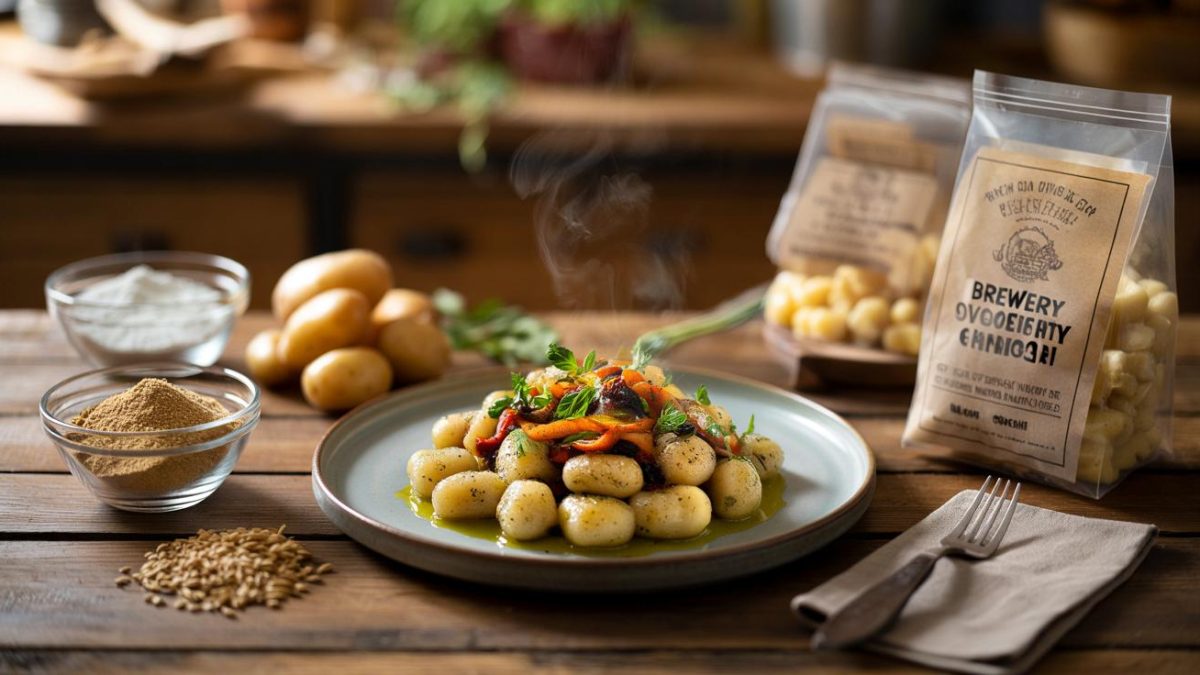
In an unassuming production kitchen, the focus is not on fresh potatoes, but on a byproduct of beer brewing. What was once relegated to silos is now the star ingredient in a surprising culinary creation – gnocchi made from brewery waste.
This unexpected transformation is just one example of how the principles of upcycling are reshaping the food industry, allowing us to rethink waste and create innovative, sustainable products. As consumers become increasingly conscious of their environmental impact, these “waste-to-treasure” initiatives are gaining momentum, offering new opportunities to reduce food waste and embrace a more circular economy.
The Surprising Origins of Upcycled “Waste-Gnocchi”
The key ingredient in these gnocchi is a byproduct of the beer-making process known as “treber.” Traditionally, this spent grain was primarily used as animal feed or discarded, but now it is finding new life as a versatile and nutritious food source.
By repurposing treber, these gnocchi not only reduce waste, but also offer a unique flavor profile and a boost of fiber and protein compared to traditional potato-based versions. The result is a tasty and environmentally-friendly alternative that is gaining popularity among conscious consumers.
But the story of these “waste-gnocchi” is just the tip of the iceberg when it comes to the growing trend of upcycling in the food industry.
What is Upcycling in the Food Sector?
Upcycling, in the context of food, refers to the process of transforming underutilized or discarded ingredients into new, valuable products. This can include everything from turning vegetable scraps into nutritious snacks to repurposing byproducts of industrial food production, as is the case with the brewery waste-based gnocchi.
Unlike traditional recycling, which often involves breaking down materials and reprocessing them, upcycling preserves the inherent value of the original ingredients, creating something new and often more valuable. This approach not only reduces waste, but also fosters innovation and opens up new avenues for sustainable food production.
As consumers become more aware of the environmental impact of food waste, the demand for upcycled products is on the rise. Brands and producers are taking note, leading to a surge of creative solutions that are transforming the way we think about – and consume – our food.
From Brewery Byproduct to Culinary Delight
The journey from brewery byproduct to gnocchi highlight the versatility and potential of upcycling in the food sector. By recognizing the untapped value in what was once considered waste, innovators are able to create products that are not only sustainable, but also uniquely delicious.
In the case of the treber-based gnocchi, the spent grain is carefully processed and combined with other wholesome ingredients to form the dumplings. This not only gives the gnocchi a distinct flavor and texture, but also boosts their nutritional profile.
The success of these “waste-gnocchi” demonstrates the growing appetite for upcycled food products. As consumers become more conscious of their food choices, they are seeking out options that not only taste great, but also align with their values of sustainability and environmental responsibility.
The Opportunities and Challenges of Upcycling in Food
The rise of upcycling in the food sector presents both exciting opportunities and potential challenges. On the one hand, it allows for the creation of innovative, eco-friendly products that can help reduce waste and foster a more circular economy. On the other hand, there are concerns around food safety, regulation, and consumer acceptance that must be carefully navigated.
For producers and manufacturers, upcycling can open up new revenue streams and differentiate their offerings in a crowded market. However, they must ensure that their upcycled products meet all food safety standards and are clearly labeled to build trust with consumers.
Ultimately, the success of upcycling in food will depend on striking the right balance between sustainability, innovation, and consumer demand. As the trend continues to evolve, we can expect to see more creative solutions that transform the way we think about – and consume – our food.
The Benefits of Upcycled Food for Consumers
For consumers, upcycled food products offer a range of benefits beyond just their unique flavors and textures. By supporting these initiatives, they can play a direct role in reducing food waste and promoting a more sustainable food system.
In addition to the environmental impact, upcycled foods can also provide nutritional advantages. By repurposing byproducts and underutilized ingredients, these products often contain a higher concentration of valuable nutrients, such as fiber, protein, and vitamins.
As the trend continues to gain momentum, consumers can expect to see a wider variety of upcycled food options on the market, from snacks and baked goods to meat substitutes and dairy products. This diversity not only caters to changing consumer preferences, but also encourages further innovation and creativity in the food industry.
Expanding the Reach of Upcycling in Food
The success of the treber-based gnocchi and other upcycled food products suggests that the principles of upcycling have the potential to transform the food industry on a larger scale. As more consumers embrace these sustainable alternatives, the demand for innovative, waste-reducing solutions will only continue to grow.
Beyond the food sector, the concept of upcycling could also be applied to other areas of the supply chain, such as packaging and distribution. By rethinking waste and finding new uses for materials, businesses can reduce their environmental impact and offer more eco-friendly options to their customers.
As the world grapples with the pressing challenges of climate change and resource scarcity, the rise of upcycling in food and beyond offers a glimmer of hope. By harnessing the power of innovation and creativity, we can transform our relationship with waste and build a more sustainable, circular economy that benefits both people and the planet.
- ➡Staying on Top of Heating Costs: The Two Crucial Times of Day to Save Big
- ➡Strenge “Tiger-Eltern”: Wie hoher Leistungsdruck Kindern das Selbstwertgefühl nimmt
- ➡Horoscope for Wednesday, March 11, 2026: These Stars Shape Your Day
- ➡Gefährliche Winterfallen: Diese Pyrenäen-Panoramastraße stellt Familien und Radfahrer auf die Probe
FAQs: Upcycling in the Food Industry
What is upcycling in the context of food?
Upcycling in the food industry refers to the process of transforming underutilized or discarded ingredients into new, valuable products. This can include turning vegetable scraps into nutritious snacks or repurposing byproducts of industrial food production, like the treber used in the gnocchi example.
How does upcycling differ from traditional recycling?
Unlike traditional recycling, which often involves breaking down materials and reprocessing them, upcycling preserves the inherent value of the original ingredients. This allows for the creation of something new and often more valuable, reducing waste and fostering innovation in the food industry.
What are the benefits of upcycled food products for consumers?
Upcycled food products can offer a range of benefits for consumers, including reduced environmental impact, higher nutritional value, and unique flavors and textures. By supporting these initiatives, consumers can play a direct role in reducing food waste and promoting a more sustainable food system.
What challenges do producers face when creating upcycled food products?
Producers must ensure that their upcycled products meet all food safety standards and are clearly labeled to build trust with consumers. They also need to navigate potential regulatory hurdles and address concerns around consumer acceptance of these innovative, waste-reducing products.
- ➡Psychologen sind sich einig: Diese TV-Art macht heute Abend glücklich
- ➡Why Royal Girls’ Names Are Trending Again – And Which Ones Really Work
- ➡Warum deine Gelenke im Herbst und Winter mehr schmerzen als im Sommer und was dahintersteckt
- ➡Günstiger Tanken im März: Der gesetzlich erlaubte und effiziente Trick
How can the principles of upcycling be applied beyond the food sector?
The concept of upcycling could be expanded to other areas of the supply chain, such as packaging and distribution. By rethinking waste and finding new uses for materials, businesses can reduce their environmental impact and offer more eco-friendly options to their customers.
What is the future outlook for upcycling in the food industry?
As consumer demand for sustainable, waste-reducing products continues to grow, the potential for upcycling in the food industry is vast. We can expect to see more creative solutions that transform the way we think about and consume our food, contributing to a more circular and environmentally-conscious food system.
How can consumers support the growth of upcycled food products?
Consumers can support the growth of upcycled food products by seeking out and purchasing these innovative, sustainable alternatives. By choosing upcycled options, they can directly contribute to reducing food waste and encouraging further innovation in the food industry.
What are some examples of other upcycled food products beyond the gnocchi?
Other examples of upcycled food products include snacks made from vegetable scraps, dairy products created from surplus milk, and meat substitutes derived from byproducts of industrial food production. The diversity of upcycled offerings continues to expand as the trend gains momentum.
- ➡Verzicht auf Fleisch: Wie gesund ist eine vegetarische Ernährung langfristig wirklich?
- ➡Warum wir in toten Beziehungen bleiben – 10 heimliche Muster der Angst
- ➡Mini-Kletterwunder: Diese kompakte Clematis macht jeden Balkon zur Blumenwand
- ➡PlayStation Store Cleans Up: Massive March Deals for PS5 and PS4 with up to 70% Off