As the spring season arrives, many gardeners find themselves making a familiar trip to the hardware store, faced with rows of bags filled with potting soil. While convenient, this readily available solution may come with hidden environmental costs. But what if we told you there was a simpler, more sustainable way to nourish your garden beds and planters?
Gardeners in the know have long sworn by an alternative approach that not only saves money but also reduces waste and promotes healthier plant growth. In this article, we’ll explore this easy-to-implement method that can revolutionize the way you prepare your soil, all while helping you avoid the endless cycle of purchasing bagged soil.
Why Store-Bought Potting Soil is an Environmental Concern
The convenience of grabbing a few bags of potting soil from the local garden center may seem like a quick fix, but this solution carries a hidden environmental impact. Many commercially produced potting soils contain peat moss, a natural resource that takes decades to replenish. The extraction of peat moss can disrupt fragile ecosystems and contribute to the release of stored carbon dioxide, exacerbating climate change.
Additionally, the production and transportation of these bagged soils require significant energy and resources, further contributing to their environmental footprint. Fortunately, there is a simple alternative that can help gardeners reduce their impact while simultaneously improving the health of their plants.
- ➡Der Thermomix TM7 für 1.599 Euro: Ist dieser Luxus-Multikocher wirklich sein Geld wert?
- ➡Dunkle Schokolade statt Apfel? Was sie wirklich im Körper bewirkt
- ➡Eine US-Firma will die Natur einfrieren, um das Artensterben zu stoppen
- ➡Portugal’s Best-Kept Secret: Why the Douro Valley Captivates Travelers Instantly
Experts suggest that making your own compost-based soil is not only an eco-friendly choice but can also be more cost-effective in the long run.
The Surprisingly Simple Solution: Homemade Compost
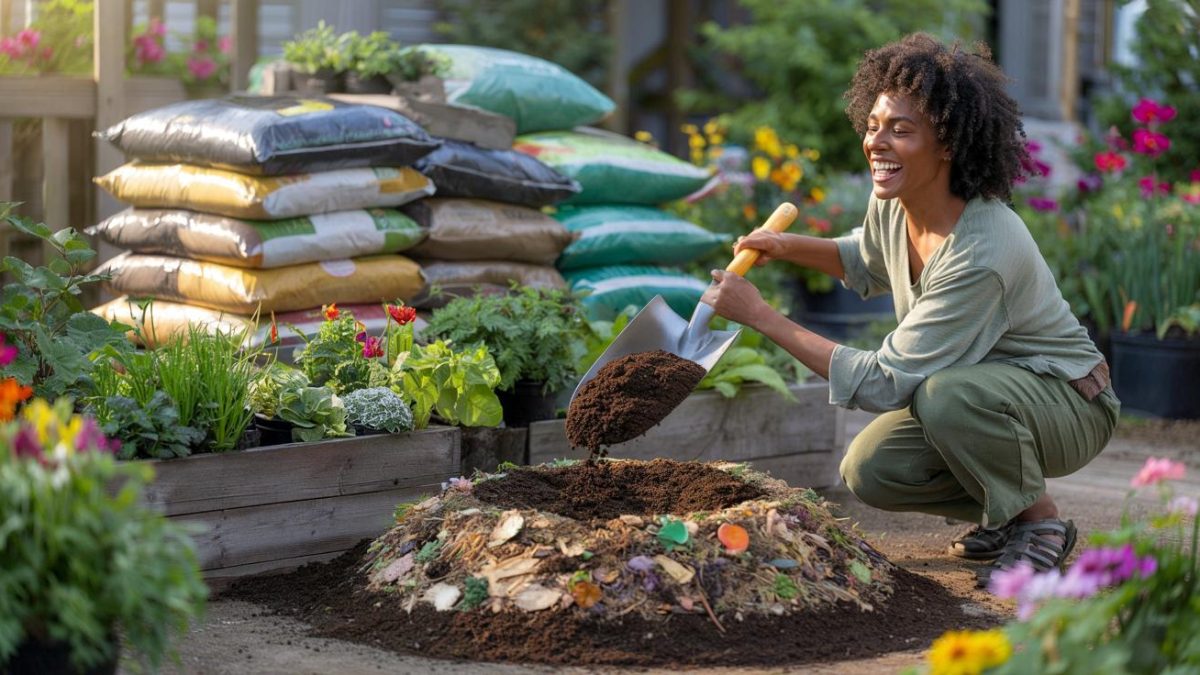
Creating your own compost may sound like a daunting task, but the truth is, it’s a lot simpler than many people think. With a little bit of effort and patience, you can transform your garden waste, kitchen scraps, and other organic materials into a nutrient-rich soil amendment that will nourish your plants and save you money.
The key to successful homemade compost lies in striking the right balance between carbon-rich “brown” materials (like dried leaves, shredded paper, or straw) and nitrogen-rich “green” materials (such as fruit and vegetable scraps, grass clippings, or coffee grounds). By layering these ingredients and providing the right amount of moisture and aeration, you can create a thriving compost pile that will eventually break down into a dark, crumbly soil-like substance.
Once your compost is ready, you can simply mix it into your garden beds or use it as a top dressing for your potted plants, providing them with all the essential nutrients they need to thrive.
The Perfect Soil Mixture: Balancing Nutrients and Texture
Creating the ideal soil mixture for your garden goes beyond just adding compost. Experienced gardeners know that the right blend of organic matter, minerals, and soil types can make all the difference in the health and vigor of their plants.
In addition to your homemade compost, you may want to consider incorporating other natural ingredients, such as vermiculite or perlite, to improve soil structure and drainage. These materials can help create a light, airy texture that allows plant roots to thrive. Depending on the specific needs of your plants, you may also want to add a sprinkle of bone meal, rock phosphate, or other organic fertilizers to provide additional nutrients.
The key is to experiment and find the perfect recipe for your garden’s unique soil conditions and plant requirements. With a little trial and error, you can create a nutrient-rich, soil-building mix that will have your plants flourishing.
The Unsung Heroes: Moisture, Time, and Patience
While the act of creating your own compost and soil mixture may seem straightforward, it’s important to remember that it’s not an overnight process. Successful gardeners understand the importance of maintaining the right moisture levels, allowing ample time for decomposition, and exercising patience throughout the journey.
Keeping your compost pile consistently moist (but not waterlogged) is crucial for promoting the activity of beneficial microorganisms that break down organic matter. Similarly, giving your compost the time it needs to fully mature, typically several months, will ensure a rich, nutrient-dense final product.
Patience is also key when it comes to incorporating your homemade soil into your garden beds. It may take some time for the new soil to fully integrate and provide the desired benefits, but with a little diligence, you’ll soon see the payoff in the form of lush, vibrant plants.
The Dual Benefits: Less Waste, More Yield
By embracing the art of homemade compost and soil, gardeners not only reduce their environmental impact but also reap the rewards of a more bountiful harvest. Composting kitchen scraps and yard waste helps divert these materials from landfills, where they would otherwise release methane, a potent greenhouse gas.
Furthermore, the nutrient-rich soil you create using your own compost can dramatically improve the health and productivity of your garden. Plants grown in this soil are better equipped to withstand pests, diseases, and drought, leading to a more abundant and resilient crop yield.
- ➡Das Gehalt von Tankstellen-Mitarbeitern: Wie viel verdienen sie wirklich?
- ➡Der Yak-Trick: Wie das Hochgebirgs-Rind unser Gehirn vor Höhenkrankheit schützen könnte
- ➡Die Zukunft der Smartphone-Apps: Wie Künstliche Intelligenz den klassischen App-Markt verändert
- ➡70 Jahre Grönland-Eisschmelze: Neue Studie enthüllt das wahre Ausmaß der Klimakrise
The benefits of this approach extend beyond the garden as well. By reducing your reliance on store-bought potting soil, you’ll save money and minimize your overall carbon footprint, making it a win-win for both your wallet and the environment.
Putting It Into Practice: Utilizing Your Homemade Soil
Once you’ve mastered the art of creating your own compost-based soil, the next step is to put it to use in your garden. Whether you’re planting a vegetable patch, tending to a flower bed, or caring for container plants, your homemade soil can be a game-changer.
For in-ground gardens, you can simply work the compost directly into the soil, mixing it evenly throughout the bed. This will help to improve soil structure, increase nutrient levels, and create the perfect environment for your plants to thrive.
For potted plants, you can use your homemade soil as a potting mix, either on its own or blended with other amendments like perlite or vermiculite. This will ensure your container-grown plants receive all the essential nutrients they need to stay healthy and productive.
Remember, the specific ratios and techniques may vary depending on the plants you’re growing and the unique conditions of your garden, but with a little experimentation, you’ll soon discover the perfect formula for your own personal oasis.
Navigating the Potential Risks: Staying Safe and Sustainable
As with any gardening practice, there are a few potential risks to consider when creating your own compost-based soil. For example, if not properly managed, your compost pile could attract pests or harbor harmful pathogens that could potentially threaten your plants.
To mitigate these risks, it’s important to carefully monitor the temperature and moisture levels of your compost, and to avoid adding materials that could introduce weed seeds or diseased plant matter. Additionally, it’s a good idea to have your homemade soil tested for any potential contaminants before using it in your garden.
Despite these minor considerations, the benefits of creating your own compost-based soil far outweigh the risks. By being mindful of best practices and staying informed, you can enjoy a thriving, sustainable garden while reducing your environmental footprint.
Why Now is the Perfect Time to Make the Switch
As concerns about the environmental impact of industrial agriculture and consumer waste continue to grow, the idea of creating your own compost-based soil is becoming increasingly appealing. Not only is it a more eco-friendly and cost-effective solution, but it also allows gardeners to take a more active role in the health and vitality of their green spaces.
With the arrival of spring, now is the perfect time to start building your own compost pile and experimenting with homemade soil mixtures. By doing so, you’ll not only be contributing to a more sustainable future, but you’ll also be rewarded with lush, vibrant plants that thrive in the nutrient-rich environment you’ve created.
So, whether you’re a seasoned gardener or a newcomer to the world of backyard horticulture, consider embracing the power of homemade compost and soil. It’s a simple yet impactful way to transform your garden while making a positive difference for the planet.
FAQs: Composting and Homemade Soil Made Easy
What are the key ingredients for successful composting?
The key to successful composting is maintaining the right balance of carbon-rich “brown” materials (like dried leaves or shredded paper) and nitrogen-rich “green” materials (such as fruit and vegetable scraps or grass clippings). Additionally, providing the right amount of moisture and aeration is crucial for promoting the decomposition process.
- ➡Warum du im März deinen Wäscheständer lieber von 10 bis 15 Uhr meidest
- ➡Stier lehnt ein Angebot ab, das sein Einkommen verbessert hätte
- ➡Was Psychologie über dich verrät, wenn du im Restaurant mit abräumst
- ➡Ernährungsexperte enthüllt, was wirklich in Billigwürsten steckt – für viele Verbraucher verliert die Wurst ihren Appetit
How long does it take to create usable compost?
The time it takes to create usable compost can vary, but generally, it takes several months for the materials to fully break down and mature. Factors like the size of your compost pile, the materials used, and the environmental conditions can all affect the composting timeline.
How do I incorporate homemade compost into my garden beds?
To incorporate your homemade compost into your garden beds, simply spread it evenly over the soil surface and then gently mix it in using a garden fork or tiller. This will help to improve soil structure, increase nutrient levels, and provide an optimal growing environment for your plants.
Can I use my homemade compost for potted plants as well?
Absolutely! Your homemade compost can be an excellent addition to potting mixes for container-grown plants. You can either use the compost on its own or blend it with other amendments like perlite or vermiculite to create a nutrient-rich, well-draining soil for your potted plants.
How do I ensure my compost pile is pest-free and safe for use in the garden?
To keep your compost pile pest-free and safe, it’s important to avoid adding materials that could attract pests, such as meat, dairy, or cooked food scraps. Additionally, regularly turning and monitoring the temperature of your compost pile can help to kill off any potential pathogens or weed seeds.
- ➡Der neue Garnier-Beauty-Trend: Getöntes Fluid mit LSF50 zaubert einen Filter-Teint
- ➡Neue Flachs-Dämmrevolution: Wie ein uraltes Naturfaserprodukt den Immobilienmarkt aufmischt
- ➡Lidl offers wireless LED desk lamp for balmy garden evenings at a bargain price
- ➡Tatsächlich mehr Insekten im Klee? Was Gartenbesitzer darüber wissen müssen
What are the benefits of using homemade compost-based soil compared to store-bought potting soil?
Using homemade compost-based soil offers several benefits, including reduced environmental impact, cost savings, and improved plant health and productivity. Homemade soil is rich in essential nutrients and organic matter, which can help your plants thrive while reducing your reliance on resource-intensive, commercially produced potting mixes.
How do I know if my homemade soil is ready to use in the garden?
Your homemade soil is ready to use when it has a dark, crumbly texture and a rich, earthy aroma. It should feel light and fluffy, not dense or compacted. If you’re unsure, you can have your soil tested to ensure it’s free of any contaminants or imbalances before incorporating it into your garden.
Can I use my homemade compost and soil for all types of plants, or are there specific considerations?
While homemade compost-based soil can be beneficial for a wide range of plants, there may be some specific considerations depending on the needs of your particular plants. For example, certain plants may prefer a slightly more acidic or alkaline soil environment. It’s always a good idea to research the optimal soil requirements for the plants you’re growing and adjust your homemade soil mix accordingly.