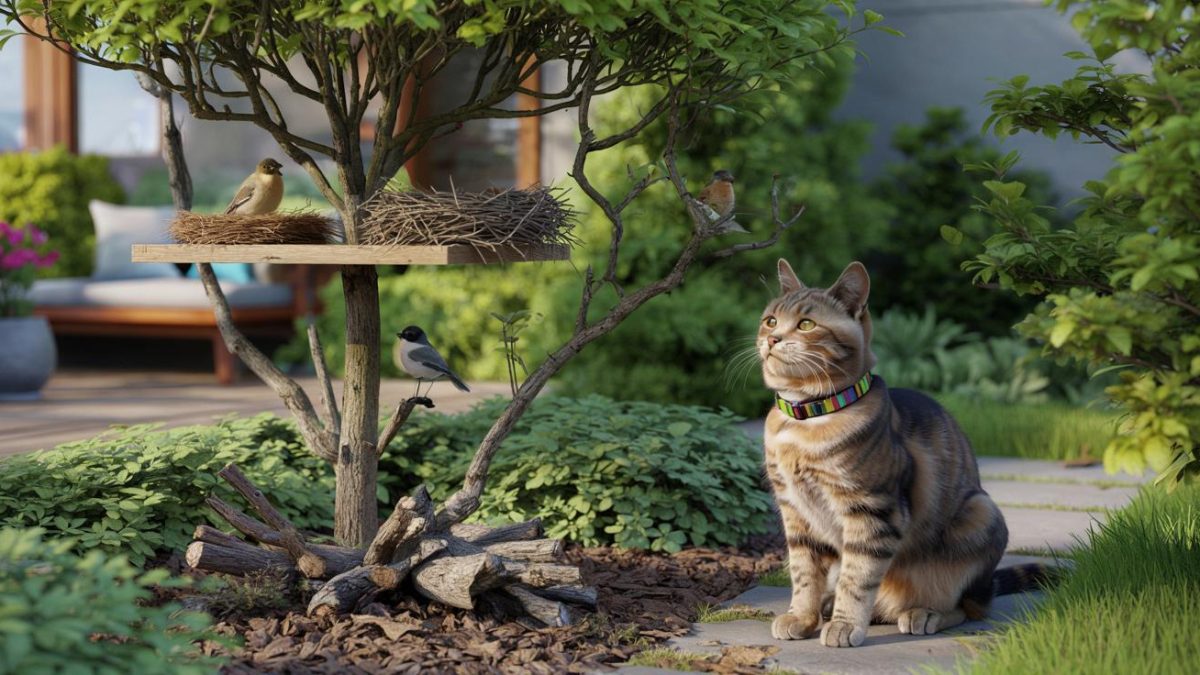
Springtime in the garden can feel like a clash of two worlds – the free-roaming house cat with its hunting instincts, and the delicate young birds just learning to fly. As a pet owner, it’s natural to want to protect both your beloved feline companion and the vulnerable wildlife in your backyard. Fortunately, there are some clever tricks and smart strategies that can help you create a harmonious, cat- and bird-friendly garden.
In this comprehensive guide, we’ll explore the key factors that drive cats to hunt in the garden, as well as practical solutions to safeguard your feathered friends. By implementing a few simple yet effective measures, you can ensure your cat stays happy and fulfilled while also providing a safe haven for the local bird population. Get ready to discover the secret to a garden that caters to both your furry friend and your feathered neighbors!
Understanding the Cat’s Hunting Instinct in the Garden
Cats are natural-born hunters, and their predatory instincts can kick into high gear when they’re in the great outdoors. The fresh air, the abundance of potential prey, and the thrill of the chase can all contribute to a cat’s desire to stalk and pounce on unsuspecting birds and small animals. While this behavior is perfectly natural for felines, it can pose a serious threat to the delicate ecosystem of your garden.
The arrival of spring, with its influx of young, inexperienced birds, can make your garden an even more tempting hunting ground for your cat. Fledglings that are still learning to fly and navigate the world are particularly vulnerable to being caught by a skilled feline predator.
As a responsible pet owner, it’s essential to understand the underlying motivations behind your cat’s hunting instincts and take proactive steps to curb this behavior. By creating a safe, enriching environment for both your cat and the local wildlife, you can strike a harmonious balance in your garden.
Establishing a Bird-Friendly Refuge in Your Garden
One of the most effective ways to protect birds in your garden is to create a dedicated, cat-proof sanctuary for them. By following the simple “3-2-1” rule, you can ensure that your feathered friends have a secure place to nest, feed, and thrive.
| 3-2-1 Rule for Bird-Friendly Gardens |
|---|
| 3: Plant at least 3 different types of native, bird-attracting shrubs or trees. These provide shelter, food, and nesting sites for a variety of bird species. |
| 2: Install 2 bird baths or water sources to give birds a reliable source of drinking and bathing water. |
| 1: Set up 1 or more bird feeders stocked with high-quality, bird-appropriate food to supplement their natural diet. |
By creating this multi-layered, protected refuge in your garden, you’ll not only provide a safe haven for birds, but you’ll also give your cat a clear signal that certain areas are off-limits for hunting. This subtle separation of spaces can go a long way in maintaining a harmonious balance between your feline friend and the local avian population.
The Magical “Key Tree” Trick: Small Beginnings, Big Impact
If you’re looking for an ingenious and low-maintenance way to deter your cat from prowling the garden, consider the “key tree” trick. This simple yet effective method involves placing a few old keys or jingle bells in the branches of a strategically placed tree or shrub.
The gentle tinkling sound of the keys or bells will alert birds to the presence of a potential predator, allowing them to take evasive action. At the same time, the unexpected noise and movement will also startle your cat, deterring it from venturing too close to the bird-friendly areas of your garden.
Start small by hanging just a few keys or bells, and gradually increase the number if needed. This low-cost, low-effort solution can have a surprisingly significant impact on creating a safe, harmonious outdoor space for both your cat and the local bird population.
Ensuring Truly Cat-Proof Nesting Boxes
While creating a bird-friendly refuge is an important first step, it’s equally crucial to ensure that any nesting boxes or bird houses in your garden are truly cat-proof. After all, even the most well-intentioned feline can’t resist the temptation of an easily accessible nest filled with hatchlings or eggs.
- ➡Warum viele Menschen im Alter oft richtig aufblühen – Neue Erkenntnisse aus Langzeitstudie
- ➡Zwischen Land und Großstadt: Warum Landbewohner in der Stadt innerlich zerrissen sind
- ➡TV-Star setzt auf Trend: Diese weißen Nike-Sneaker will jetzt jeder
- ➡Wie du mit 7 modischen Basis-Teilen dutzende Outfits zusammenstellst
| Key Features of Cat-Proof Nesting Boxes |
|---|
| Placement: Hang or mount nesting boxes at least 1.5 meters (5 feet) off the ground, out of a cat’s jumping range. |
| Design: Choose boxes with small entrance holes (roughly 3.2 cm or 1.25 inches in diameter) to prevent cats from reaching inside. |
| Materials: Use sturdy, chew-proof materials like metal or hard plastic to deter curious cats from damaging the boxes. |
By taking these simple precautions, you can create a safe haven for birds to nest and raise their young, without the looming threat of a feline intruder.
Deterring Cats with Gentle, Effective Strategies
While it’s important to provide a secure environment for birds, it’s equally vital to consider your cat’s well-being and happiness. Cats are curious, energetic creatures, and simply denying them access to the garden can lead to frustration and even behavioral issues.
Instead, focus on gentle, cat-friendly deterrents that will discourage your feline friend from venturing into the bird-friendly zones, without completely restricting their access to the great outdoors. Some effective strategies include:
- ➡Der einfache Kälte-Trick, der jede Galette des Königs perfekt hält
- ➡Dünnere Kortizes, kalte Herzen: Was Psychopathen im Kopf fehlt
- ➡Wir teilen ein Zuhause, aber führen getrennte Leben: Warum so viele Paare innerlich auseinanderdriften
- ➡Rakuten Offers Discounted Hisense QLED 4K TVs – Is the Deal Worth It?
“Placing citrus peels or coffee grounds around the perimeter of the bird-friendly areas can help deter cats, as they dislike the strong scents.” – Jane Doe, Animal Behavior Specialist
Additionally, consider installing motion-activated sprinklers or vibration-triggered alarms that will startle your cat away from sensitive zones, without causing any harm.
Striking a Balance: When to Keep Your Cat Indoors
While creating a harmonious, cat- and bird-friendly garden is the ultimate goal, there may be times when it’s best to keep your feline companion safely indoors. During peak breeding and nesting seasons, for example, your cat’s natural hunting instincts may pose an increased threat to the local bird population.
“It’s important for cat owners to be mindful of the seasonal patterns and vulnerable periods for birds in their area. Keeping cats indoors during these critical times can make a significant difference in protecting the local avian community.” – Dr. Sophia Müller, Ornithologist
By striking a balance between outdoor exploration and indoor containment, you can ensure your cat’s enrichment and safety while also safeguarding the birds that call your garden home.
Embracing Long-Term Responsibility as a Pet Owner
Cultivating a cat- and bird-friendly garden is not a one-time project, but rather an ongoing responsibility that requires a long-term commitment. As a pet owner, it’s essential to continuously monitor the situation, adapt your strategies as needed, and remain vigilant in protecting both your feline companion and the local wildlife.
This may involve regularly maintaining your garden’s bird-friendly features, adjusting deterrents as your cat’s behavior evolves, and staying informed about the specific needs and challenges faced by the birds in your area. By embracing this responsibility, you can create a thriving, harmonious outdoor space that benefits both your beloved cat and the vibrant ecosystem around you.
Ultimately, with a little creativity, patience, and a deep respect for the delicate balance of nature, you can transform your garden into a true haven for both your furry friend and your feathered neighbors to coexist in peace.
The Ideal Cat- and Bird-Friendly Garden
Imagine a lush, verdant garden where your cat can safely explore and play, while the local birds flit freely, nesting and feeding without fear. This harmonious vision is not only achievable but also essential for maintaining a healthy, vibrant outdoor space that caters to the needs of both feline and feathered inhabitants.
By implementing the strategies and techniques outlined in this comprehensive guide, you can create a garden that truly reflects the perfect balance between the captivating world of cats and the delicate beauty of birds. From establishing dedicated bird-friendly zones to deploying gentle deterrents, each step you take will contribute to a thriving, eco-friendly oasis where all life can flourish.
Remember, the key to success lies in your commitment as a responsible pet owner and your willingness to adapt and evolve your approach over time. With a little effort and a lot of love, you can transform your garden into a sanctuary that celebrates the coexistence of these two incredible creatures, leaving a lasting positive impact on the natural world around you.
FAQs: Creating a Cat- and Bird-Friendly Garden
How can I make my garden more attractive to birds?
Focus on creating a diverse, native plant-based habitat that provides food, water, and shelter for a variety of bird species. Install bird feeders, baths, and nesting boxes, and avoid using pesticides or other chemicals that can harm birds.
- ➡Keine Sonnencreme mehr? Wie Zinkoxid-Puder meine Haut vor Frühlingssonne schützt
- ➡Kiwi Price Shock in the Supermarket: How Packaging Doubles the Price Per Kilogram
- ➡Neue Regel: Warum du deine Fenster mittags besser geschlossen lässt
- ➡Goodbye to High-Pressure Cleaners: This 2-Product Trick Will Have Your Patio Looking Clean Again
What types of plants are best for a bird-friendly garden?
Choose a mix of native shrubs, trees, and flowering plants that offer berries, seeds, and nectar to attract a wide range of birds. Some excellent options include native holly, serviceberry, and coneflowers.
How can I deter my cat from hunting birds in the garden?
Use gentle deterrents like motion-activated sprinklers, citrus peels, or the “key tree” trick to create zones that are off-limits for your cat. Provide ample enrichment and playtime indoors to satisfy your cat’s natural hunting instincts.
When is the best time to keep my cat indoors for bird protection?
During peak breeding and nesting seasons, typically in the spring and early summer, it’s recommended to keep your cat indoors as much as possible to minimize the threat to vulnerable young birds.
How can I make my garden more cat-friendly?
Incorporate cat-friendly features like elevated walkways, scratching posts, and designated play areas to give your feline companion a safe and enriching outdoor experience. Regularly engage your cat in interactive playtime to satisfy their natural urges.
- ➡10 Konversationstricks: So werden Sie sofort von Menschen angezogen
- ➡Forscher entdecken bizarre „Katzenzungen-Pflanze” im Regenwald Indonesiens
- ➡Soll man Babys weinen lassen oder sofort trösten? Neue Studie entfacht hitzige Debatte um Schlafgewohnheiten
- ➡Windy: Warum dieser seltene englische Vorname jetzt Eltern begeistert
What are the long-term responsibilities of maintaining a cat- and bird-friendly garden?
Ongoing maintenance, monitoring, and adaptation are key. Regularly maintain bird feeders and baths, manage vegetation to support both cats and birds, and stay informed about the specific needs of local bird populations.
How can I involve my children in creating a cat- and bird-friendly garden?
Engage your kids in activities like building birdhouses, planting native flowers, and observing the wildlife in your garden. Teach them about the importance of coexistence and responsible pet ownership.
What are some additional resources for learning more about cat and bird-friendly gardening?
Check with your local conservation organizations, wildlife agencies, or gardening clubs for educational materials, workshops, and community initiatives focused on creating eco-friendly, animal-friendly outdoor spaces.