The holy month of Ramadan is a time of spiritual reflection, devotion, and community. For many Muslims, the evening Iftar meal, when the fast is broken, is the highlight of the day. However, preparing an elaborate Iftar feast for a large family can be a daunting task, especially for those living alone or with just a partner. But renowned Moroccan-German chef Mohamed Cheikh has the perfect solution – a simple yet delicious Iftar menu that’s easy to prepare, yet still captures the essence of this special occasion.
As a Michelin-starred chef, Cheikh is no stranger to creating complex, multi-course meals. But when it comes to Iftar, he believes that less can be more. “The focus should be on quality ingredients and balanced flavors, not an endless array of dishes,” he explains. “By keeping things light and uncomplicated, you can truly savor the moment and reconnect with the spiritual significance of Ramadan.”
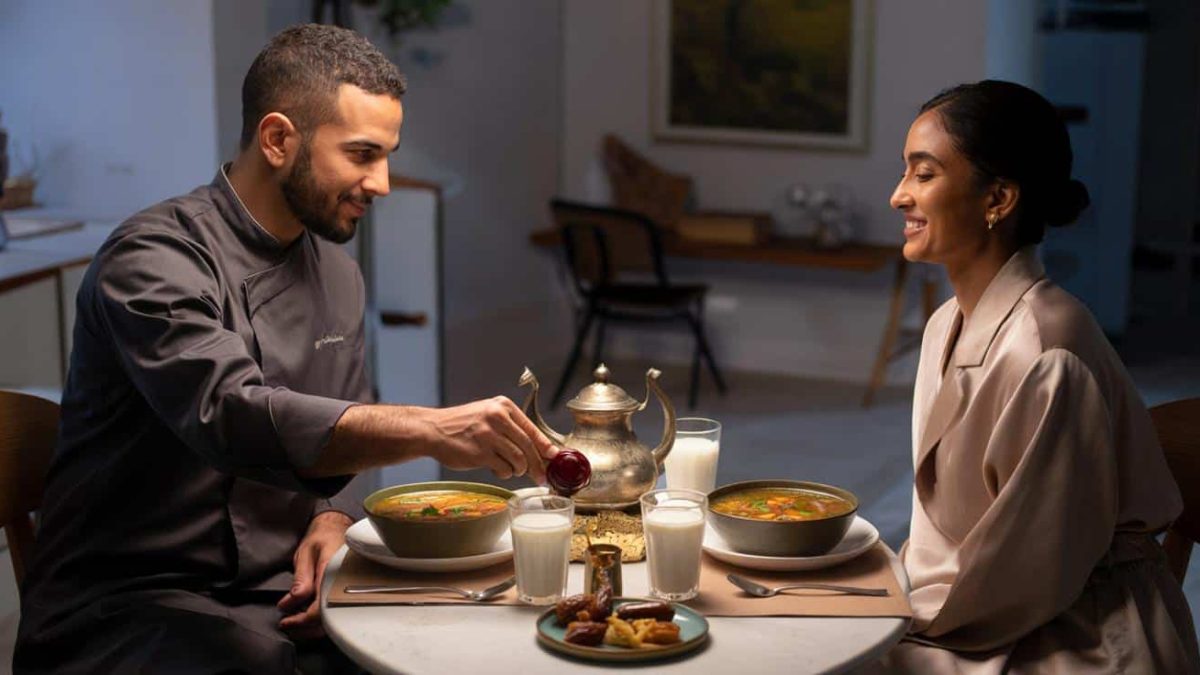
A Small Table, a Complete Evening
Cheikh’s Iftar menu proves that you don’t need a grand feast to celebrate the breaking of the fast. “The key is to create a sense of ritual and togetherness, even with just a few simple dishes,” he says. His approach emphasizes quality over quantity, allowing the natural flavors of the ingredients to shine.
At the heart of Cheikh’s Iftar is a classic Moroccan soup called Chorba. “Chorba is the perfect foundation for a light Iftar,” he explains. “It’s nourishing, comforting, and can be enjoyed over multiple evenings with just a few adjustments.” By preparing a large batch of Chorba at the start of Ramadan, Cheikh can easily assemble a complete Iftar menu without the need for extensive daily cooking.
- ➡Wie die Vorstellung eines Getränks unser Trinkverhalten beeinflusst
- ➡Schockierende Studie: Manche Antibiotika können unseren Darm bis zu 8 Jahre lang beeinträchtigen
- ➡Goodbye Lawn: These 5 Sturdy Groundcovers Will Save You a Lot of Money
- ➡Tonkopf statt Luxus-Nistkasten: So holen Sie das Rotkehlchen in Ihren Garten
Alongside the Chorba, Cheikh recommends a selection of Maghreb-style breads, such as msemmen or rghaif, which add texture and cultural authenticity to the meal. “These breads are quick and easy to prepare, and they create a wonderful ambiance for the Iftar,” he says.
Chorba as a Base: Cook Once, Enjoy Multiple Evenings
Chorba, a savory vegetable or meat-based soup, is a staple of Moroccan cuisine and the perfect starting point for a simplified Iftar. “By making a large batch of Chorba at the beginning of Ramadan, you can enjoy it throughout the month with minimal effort,” Cheikh explains. “Simply reheat the soup and add a few fresh garnishes, such as herbs or lemon wedges, to give it a new twist each time.”
Cheikh’s Chorba recipe is versatile and can be easily adapted to suit individual tastes or dietary requirements. “You can make it vegetarian, add different types of meat, or even incorporate seasonal produce,” he says. “The key is to use high-quality, flavorful ingredients that will nourish the body and soul.”
For those who prefer a heartier soup, Cheikh suggests adding chickpeas, lentils, or barley to the Chorba. “These ingredients will make the soup more substantial without weighing you down after a long day of fasting,” he says.
- ➡Nivea-Creme nur auf einer Gesichtshälfte: Was nach 7 Tagen passiert
- ➡Trockener Schnee, heftige Feuer: Warum dieser Winter die Wälder in Gefahr bringt
- ➡Der Bob-Haarschnitt erobert 2026 die Stars: Warum der kompakte Kurzhaartrend so beliebt ist
- ➡After the 50th Birthday: This Roomy Uniqlo Skirt Flatters Every Figure
Dates and Milk: A Small Start with a Big Impact
The traditional Iftar meal often begins with the breaking of the fast by consuming a few dates and a glass of milk or water. This simple ritual holds deep significance in Islamic tradition, as dates are believed to provide a quick energy boost after a day of fasting.
“Dates and milk are the perfect way to gently ease your body back into eating,” Cheikh says. “The natural sugars in the dates will give you an immediate energy boost, while the milk provides essential nutrients and hydration.”
Cheikh recommends offering a selection of different date varieties, such as Medjool or Deglet Nour, to add visual appeal and texture to the Iftar table. “Presenting the dates beautifully, perhaps on a decorative platter, can help create a sense of occasion and anticipation,” he says.
Fruits over Heavy Desserts
While traditional Iftar meals often feature rich, sweet desserts, Cheikh suggests opting for lighter, fruit-based options instead. “After a day of fasting, the body craves natural sugars and hydration,” he explains. “Serving a selection of seasonal fruits, such as watermelon, grapes, or berries, can provide a refreshing and nourishing end to the meal.”
- ➡Graue Haare, starke Persönlichkeit: 8 Eigenschaften, die Menschen ohne Haarfarbe oft teilen
- ➡Korean Beauty Hype: Tinted Anti-Aging Cream for Sensitive Skin Costs Only €7
- ➡Kleiner Riff-Fisch besteht Intelligenztest, der sonst nur Affen schaffen
- ➡Diese Zimmerpflanze kann Ihre Wohnung von schlechter Energie und Gerüchen reinigen
Cheikh also recommends incorporating dried fruits, such as apricots or figs, for a touch of sweetness and texture. “These can be enjoyed on their own or paired with a drizzle of honey or a sprinkle of cinnamon,” he says.
By prioritizing fresh fruits over heavy, creamy desserts, Cheikh helps his Iftar guests feel satisfied but not weighed down. “The goal is to leave the table feeling energized and ready to continue the spiritual practices of Ramadan,” he says.
Breads from the Maghreb: Little Effort, Lots of Atmosphere
No Iftar table is complete without a selection of traditional breads from the Maghreb region. Cheikh recommends offering a variety of options, such as msemmen (flaky, layered flatbread) or rghaif (buttery, pan-fried discs), to add texture and cultural authenticity to the meal.
“These breads are incredibly simple to prepare, but they instantly transport you to the flavors of North Africa,” Cheikh says. “Plus, they’re the perfect accompaniment to the Chorba soup and can be enjoyed throughout the evening.”
Cheikh suggests serving the breads warm, either straight from the pan or lightly toasted. “The aroma and texture of these freshly baked breads will create a wonderful ambiance and sense of occasion for the Iftar,” he says.
A Typical Iftar for 2–3 People
| Dish | Description |
|---|---|
| Chorba Soup | A large batch of hearty vegetable or meat-based soup, made in advance and reheated as needed. |
| Maghreb-style Breads | A selection of flaky, buttery breads such as msemmen or rghaif, served warm. |
| Dates and Milk | A traditional start to the Iftar, with a variety of date varieties and fresh, chilled milk. |
| Seasonal Fruits | A refreshing selection of sliced or whole fruits, such as watermelon, grapes, or berries. |
This simple yet satisfying Iftar menu allows you to focus on the spiritual aspects of Ramadan, rather than spending hours in the kitchen. “The key is to create a sense of ritual and togetherness, even with just a few dishes,” Cheikh says. “By keeping things light and uncomplicated, you can truly savor the moment and reconnect with the deeper meaning of this holy month.”
Health Benefits: Why Simplicity is Best
Cheikh’s Iftar approach not only simplifies the cooking process but also offers several health benefits. “After a long day of fasting, the body needs nourishment that is easy to digest and won’t weigh you down,” he explains. “By focusing on wholesome, nutrient-rich ingredients and avoiding heavy, rich foods, you can support your overall well-being during Ramadan.”
The Chorba soup, for instance, is packed with vegetables, fiber, and lean protein, providing a balanced and satisfying meal. “Soups are also incredibly hydrating, which is essential after a day of fasting,” Cheikh adds.
Similarly, the emphasis on fresh fruits and simple breads helps to maintain blood sugar levels and prevent the energy crashes that can sometimes occur after a heavy Iftar meal. “By keeping things light and wholesome, you can ensure that your body has the nutrients it needs to recharge and prepare for the next day of fasting,” Cheikh says.
Practical Tips for Working Professionals and Singles
Cheikh’s Iftar approach is particularly well-suited for those with busy lifestyles, such as working professionals or single individuals. “When you’re juggling work, family, and personal commitments, the last thing you want to do is spend hours in the kitchen preparing an elaborate Iftar feast,” he says.
By making a large batch of Chorba soup at the start of Ramadan and relying on simple, easy-to-prepare accompaniments, Cheikh helps to alleviate the stress and time commitment often associated with Iftar celebrations. “You can enjoy a nourishing, satisfying meal without the hassle of daily cooking,” he explains.
- ➡Immer online, immer gestresst: Wie “Blurring” dein Leben heimlich auffrisst
- ➡Rocket-Fast Greens Instead of Diva Salad: This Unknown Plant Fills Your Bowl in Record Time
- ➡Pollen-Bakterien als natürlicher Antibiotika-Schutz für Bienen und Ernten
- ➡Wenn Schule Angst macht: Warum Kinder nicht nur Schüler sind
Cheikh also emphasizes the importance of self-care during Ramadan. “It’s easy to get caught up in the social and familial obligations of the month, but it’s crucial to make time for your own spiritual and physical well-being,” he says. “By keeping your Iftar menu simple and uncomplicated, you can focus on the deeper meaning of Ramadan without feeling overwhelmed.”
“The goal is to create a sense of ritual and togetherness, even with just a few dishes. By keeping things light and uncomplicated, you can truly savor the moment and reconnect with the deeper meaning of Ramadan.”
– Mohamed Cheikh, Michelin-starred Chef
“Ramadan is a time of reflection, gratitude, and community, but it’s also important to find a balance that works for your individual needs,” Cheikh says. “By embracing simplicity and focusing on quality over quantity, you can enjoy a fulfilling Iftar experience without the added stress.”
- ➡Nur diese eine Handy-Einstellung am Abend macht Ihre Nächte ruhiger
- ➡Der moderne Kurzschnitt, der grauen Haaren ab 60 Jahren ein sanfteres Aussehen verleiht
- ➡Goodbye Planters: This Balcony Trend Idea for 2026 Brings Fresh Air to Small Outdoor Spaces
- ➡Genius Bedding Trick: How to Organize Your Sheets in 30 Seconds
FAQ
How far in advance can I prepare the Chorba soup?
The Chorba soup can be made up to 3-4 days in advance and stored in the refrigerator. Just reheat and add any fresh garnishes when ready to serve.
Can I make the Maghreb-style breads ahead of time?
The breads are best served fresh, but you can prepare the dough in advance and refrigerate or freeze it until ready to bake. This will save time on the day of Iftar.
What if I don’t like traditional Iftar desserts?
Cheikh’s fruit-based options are a great alternative to heavy, creamy desserts. Feel free to experiment with different seasonal fruits or even make a simple fruit salad.
How can I make the Iftar table look special?
Use decorative plates, bowls, and platters to present the food. Arrange the dates, fruits, and breads in an appealing way. You can also add a few candles or flowers to create a cozy, inviting atmosphere.
- ➡Fünf Profi-Köche testen: Diese Supermarkt-Mayonnaise ist allen anderen überlegen
- ➡Beliebte Antidepressiva unter Verdacht: Studie zeigt deutlich erhöhtes Risiko für Herzstillstand
- ➡Mittelmeer statt Karibik: Diese Trauminsel begeistert mit türkisblauem Wasser und wenig Touristen
- ➡Fit at 70: 7 Simple Habits That Really Work
Do I need to follow this menu exactly?
Not at all! Feel free to adapt the menu to your personal preferences and dietary needs. The key is to keep things simple and focus on quality ingredients.
How can I make the Iftar more communal?
Consider inviting a few close friends or family members to join you. Sharing the Iftar experience can make it even more meaningful and special.
What if I’m fasting alone?
Cheikh’s Iftar menu is perfect for solo fasters as well. The simplified approach makes it easy to prepare and enjoy a nourishing meal, even when dining alone.
Can I make this Iftar menu vegan or vegetarian?
Absolutely! The Chorba soup can be made with vegetable broth and plant-based proteins, and the fruit-based desserts are naturally vegan. Adjust the menu to suit your dietary needs.