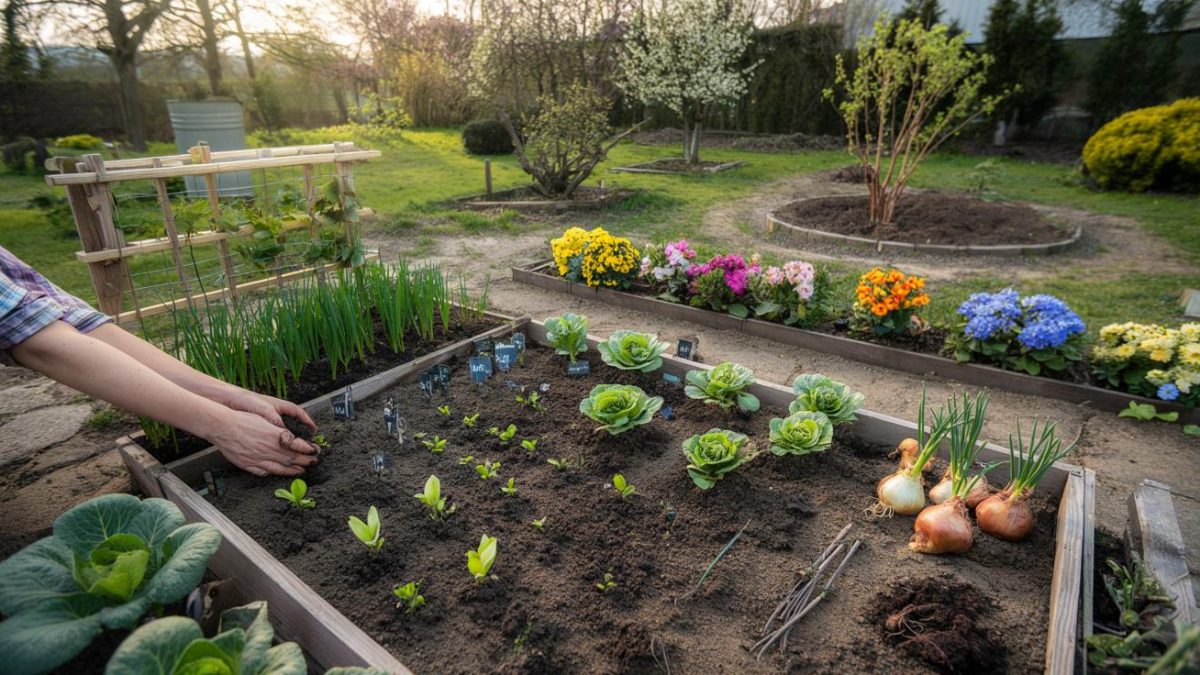
As the days grow longer and the air becomes milder, March marks the beginning of a new gardening season. This pivotal month presents the perfect opportunity to get a head start on planting vibrant flowers, bountiful vegetables, and lush shrubbery that will thrive throughout the summer and beyond. By carefully selecting and strategically positioning your March plantings, you can ensure a stunning and bountiful garden that will delight you for months to come.
Whether you’re a seasoned green thumb or a budding gardener, the wealth of possibilities in March can be both exciting and overwhelming. But fear not – with a little planning and the right information, you can create a garden that not only looks beautiful but also provides a steady supply of fresh produce and fragrant blooms. So, let’s dive into the must-plant options for this pivotal gardening month.
Flowers to Plant in March for Spring and Summer
As the winter chill begins to subside, March offers the perfect time to introduce a burst of color to your garden. From vibrant annuals to resilient perennials, there are countless options to choose from. Consider planting cheerful marigolds, fragrant petunias, and delicate pansies, which thrive in the mild spring temperatures and provide a long-lasting display of blooms.
Don’t forget about the importance of groundcover plants, such as creeping thyme and sedum, which not only add visual interest but also help to suppress weeds and retain moisture in the soil. By carefully selecting a mix of flowering plants, you can create a garden that is both aesthetically pleasing and low-maintenance.
To ensure your March plantings get off to the best start, be sure to prepare the soil with a generous helping of compost or well-rotted manure. This will provide the necessary nutrients and improve drainage, giving your flowers the perfect foundation to flourish.
Vegetables to Plant in March
March is an exciting time for vegetable gardeners, as it marks the beginning of the planting season for a wide variety of fresh produce. From crisp salad greens to hearty root vegetables, the options are endless. Consider sowing seeds for leafy kale, nutrient-dense spinach, and crunchy carrots, all of which thrive in the cool spring temperatures.
For those with limited space, don’t overlook the versatility of container gardening. Compact varieties of tomatoes, peppers, and herbs can all be successfully grown in pots or raised beds, allowing you to maximize your available growing area.
As you plan your March vegetable plantings, be mindful of the specific needs of each crop. Some, like peas and radishes, prefer direct sowing, while others, such as tomatoes and peppers, may benefit from a head start indoors before being transplanted outside. By taking the time to research the optimal growing conditions for your chosen vegetables, you can ensure a bountiful harvest throughout the summer and into the fall.
- ➡Nie mehr Matratzengeruch: So reinigen Sie Ihre Schlaffläche Schritt für Schritt
- ➡Geniale Sprüche gegen Nerv-Anrufe von Telefonwerbern: So bringen Sie sie schnell zum Auflegen
- ➡Der “Trixie Cut” statt Pixie: Warum dieser Kurzhaarschnitt Frauen ab 70 im Frühling 2026 sichtbar verjüngt
- ➡Wann fühlen wir uns wirklich alt? Studie nennt überraschendes Alter
Shrubs and Fruit to Plant in March
While flowers and vegetables may steal the spotlight, March is also an excellent time to introduce new shrubs and fruit-bearing plants to your garden. Evergreen shrubs, such as boxwood and privet, not only provide year-round structure and greenery but also serve as the perfect foundation for your garden’s design.
For those with a bit more space, consider planting berry-producing bushes, such as blueberries or raspberries. Not only will these plants add a touch of whimsy to your garden, but they’ll also provide a delicious harvest of fresh fruit throughout the summer.
When selecting and planting your March shrubs and fruit, be mindful of their specific growing requirements. Some may prefer full sun, while others thrive in partial shade. Additionally, be sure to leave ample room for each plant to mature and spread, as overcrowding can lead to problems down the line.
Adapting to a Changing Climate
As the effects of climate change continue to reshape our weather patterns, gardeners must be adaptable and responsive to these shifts. In many regions, March has become consistently warmer, with earlier springs and longer growing seasons. This presents both opportunities and challenges for gardeners.
To stay ahead of the curve, it’s important to research and select plants that are well-suited to your local climate. Consider incorporating more drought-tolerant species, as well as those that can withstand the occasional late frost. By being proactive and making informed choices, you can ensure that your garden thrives, no matter what Mother Nature has in store.
Additionally, don’t be afraid to experiment with new techniques, such as extending your growing season with cold frames or using mulch to retain moisture in the soil. By staying informed and open to innovation, you can create a garden that is both beautiful and resilient in the face of a changing climate.
Planning Ahead for the Seasons to Come
As you embark on your March planting journey, it’s important to keep the bigger picture in mind. While the immediate rewards of a vibrant spring garden are undoubtedly enticing, savvy gardeners know that successful gardening requires long-term planning and foresight.
By strategically positioning your March plantings, you can set the stage for a stunning summer display and a bountiful autumn harvest. Consider incorporating plants that will provide visual interest and productivity throughout the changing seasons, from early-blooming bulbs to late-maturing vegetables.
- ➡Japanischer Durchbruch bei Parkinson: Erste Stammzell-Therapie offiziell zugelassen
- ➡Astrologie 2026 zeigt, dass Fische viel mehr erreichen könnten, als sie sich zutrauen
- ➡Diese Zimmerpflanze saugt Feuchtigkeit besser auf als Orchideen
- ➡Wie zwei Sternzeichen sich unbewusst mit einem täglichen Denkfehler sabotieren
Additionally, take the time to research and plan for the tasks that will be required in the coming months, such as pruning, pest control, and succession planting. By staying one step ahead, you can ensure that your garden remains healthy, productive, and visually appealing from spring through fall.
A March Planting Plan in Action
To help bring your March gardening dreams to life, let’s walk through a sample planting plan that covers a range of flowers, vegetables, and shrubs. In a sunny, well-drained spot, you might start by sowing seeds for vibrant marigolds, fragrant petunias, and delicate pansies. Complement these with a selection of hardy perennials, such as rudbeckia and coneflowers, to create a stunning display that will return year after year.
In a separate area, dedicate a raised bed or large container to a variety of leafy greens, including kale, spinach, and arugula. These nutrient-dense crops will provide a steady supply of fresh salads throughout the spring and into the summer. Alongside these, consider planting some early-maturing root vegetables, such as carrots and radishes, to diversify your harvest.
Finally, incorporate a few strategically placed shrubs, such as a fragrant mock orange or a berrying currant bush, to add structure, interest, and a touch of edible bounty to your garden. By thoughtfully combining these elements, you can create a March planting plan that will set the stage for a truly exceptional gardening season.
- ➡Große Hunde-Studie durchbricht Vorurteile: Diese Rassen lassen sich wirklich leicht erziehen
- ➡Süße Selbstgemachte Gummibärchen – Einfaches Rezept für zu Hause
- ➡Blühende Böschung statt Betonwand: Wie Sie Ihre Traumböschung für unter 20 Euro pro Quadratmeter schaffen
- ➡Das Urgetreide, das Ihr Porridge auf ein neues Level bringt
Preparing for the Growing Season
As you finalize your March planting plans, don’t forget to take the time to properly prepare your garden. This includes amending the soil with compost or well-rotted manure, ensuring proper drainage, and clearing any winter debris or weeds. By taking these essential steps, you’ll be providing your new plants with the ideal conditions to thrive.
Additionally, be sure to have all the necessary tools and supplies on hand, from sturdy gloves and a reliable trowel to a hose or watering can. Proper care and maintenance throughout the growing season will be key to the long-term success of your March plantings.
With a little bit of planning and preparation, your March gardening efforts will pay off in spades, rewarding you with a bountiful and beautiful outdoor oasis that you can enjoy for months to come.
FAQs: Maximizing Your March Planting Success
When is the best time to plant in March?
The optimal planting time in March can vary depending on your local climate, but generally, the middle to late part of the month is considered the sweet spot. This allows your plants to become established before the warmer summer months arrive.
- ➡ADHS-Medikamente reduzieren offenbar das Risiko für Psychosen im späteren Leben
- ➡Inheritance Tax on Houses and Apartments: How Heirs Can Save Thousands of Euros with These Tricks
- ➡Lieber allein als auf jeder Party? Diese 8 stillen Stärken verrät deine Psyche
- ➡Reise nach Japan ohne Stress: Mit Holafly eSIM sofort online sein
Can I start seeds indoors before planting outside?
Absolutely! Many plants, such as tomatoes, peppers, and certain flowers, can benefit from a head start indoors. Just be sure to harden them off gradually before transplanting them outside to prevent shock.
How do I prepare my soil for March planting?
Amending your soil with compost or well-rotted manure is a crucial step. This will provide essential nutrients and improve drainage, giving your plants the best possible start. Be sure to also remove any weeds or debris before planting.
What are some low-maintenance March planting options?
For an easy-care garden, consider planting hardy perennials like coneflowers, rudbeckia, and sedum, as well as drought-tolerant annuals like marigolds and zinnias. Leafy greens and root vegetables are also relatively low-maintenance choices.
How can I extend my growing season with March plantings?
Incorporating a mix of early-maturing and late-blooming plants can help you maximize your harvest. Consider planting cool-weather crops like peas and radishes alongside warm-weather favorites like tomatoes and peppers.
What are some tips for successful container gardening in March?
When growing in containers, be sure to use a high-quality potting mix and provide ample drainage. Compact vegetable varieties and herbs are excellent choices for small-space gardening.
How can I protect my March plantings from late frosts?
Use row covers, cloches, or cold frames to shield your plants from unexpected cold snaps. Mulching can also help insulate the soil and retain moisture.
What are some good companion planting ideas for March?
Try pairing flowers like marigolds or nasturtiums with your vegetable crops to help deter pests and attract beneficial insects. You can also interplant fast-growing radishes with slower-maturing carrots.
How do I ensure my March plantings thrive throughout the season?
Consistent watering, regular weeding, and timely fertilization will all contribute to the long-term health and productivity of your March plantings. Stay vigilant for pests or diseases and address any issues promptly.
- ➡Soll man Babys weinen lassen oder sofort trösten? Neue Studie entfacht hitzige Debatte um Schlafgewohnheiten
- ➡Diese alten Schallplatten bringen heute sechsstellige Summen
- ➡Erlebnis der totalen Sonnenfinsternis 2026 in Spanien: Die besten Beobachtungsorte für Urlauber
- ➡Wie geht es mit Star Trek: Starfleet Academy auf Paramount+ weiter?